Board Meetings: Turning Your Investors into Your Edge
A board meeting is not a 'Reporting Session'; it's a 'Strategic Workshop.' This 3,000-word guide masters the 'Board Deck' Blueprint to help you manage expectations and get the most out of your investors.
Strategy Framework: The Board Deck Blueprint
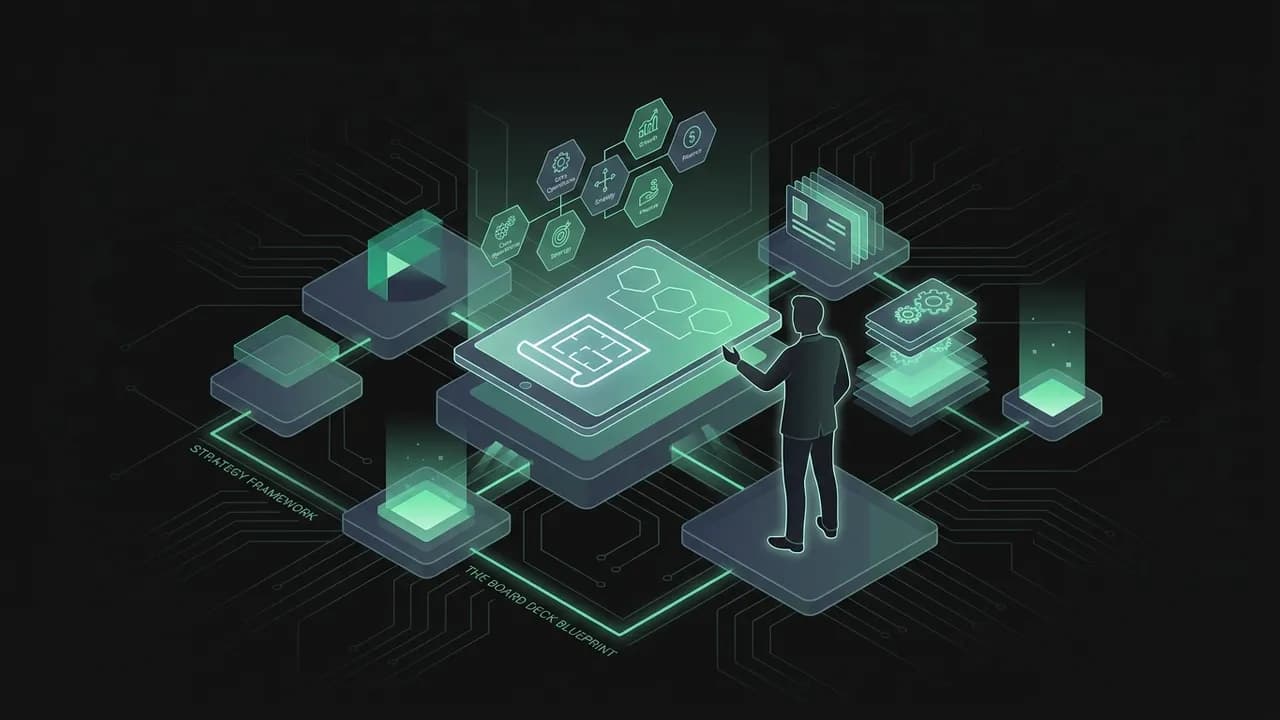
In 2026, the best board meetings spend 20% of the time on the past and 80% on the future. We use the Board Deck Blueprint to ensure you stay focused on the high-leverage work. A board meeting is not a ritual of obligation. It is a governance and strategy instrument. Founders who treat the board as a reporting audience usually get low-quality meetings, defensive dynamics, and shallow advice. Founders who treat the board as a decision forum usually get more leverage from the same room.
The Agenda Sections
The Executive Summary (5 mins): One slide. What are the 3 things the board MUST know? (e.g., 'We hit our revenue target,' 'We are pivoting our pricing,' 'We need help hiring a CMO').
The KPI Deep Dive (15 mins): Send the detailed data deck 48 hours in advance (Topic 101). Use this time only to discuss the 'Why' behind the numbers that are off-track.
The 'Deep Dive' (45 mins): Pick one strategic problem to solve together. (e.g., 'Should we expand to Europe?', 'How do we combat a new competitor?').
The Board-Only Session (25 mins): A closed-door session for directors to discuss sensitive items like compensation or founder performance.
Why The Agenda Mix Matters
Most bad board meetings fail because they are overloaded with retrospective reporting. The meeting gets consumed by reading metrics that could have been reviewed in advance, leaving little time for discussion that actually changes the company’s trajectory. The agenda blueprint matters because it protects thinking time.
The Executive Summary Creates Alignment
The opening summary slide is one of the highest-leverage parts of the deck because it frames the meeting. It should answer: what materially changed, what is most urgent, and where does leadership want help? If the board cannot understand the key stakes in a minute or two, the rest of the meeting becomes harder to navigate.
Send Data Early, Use Meeting Time Wisely
A board deck should be partly asynchronous. Directors can read KPI tables, financial details, and operational summaries before the session. The live meeting should focus on interpretation, tradeoffs, decisions, and strategic help. If the board only discovers the data when the meeting starts, the conversation stays too shallow.
The Deep Dive Is Where Value Is Created
The strategic deep dive is where board experience becomes useful. This is the segment where the company should bring a real decision, dilemma, or operating problem into the room. Expansion choices, pricing shifts, fundraising timing, executive hiring, product bets, and risk management all become better when the board is engaged as a thinking partner rather than a passive audience.
Board-Only Sessions Need Clarity
Closed sessions can be healthy, but founders should understand their purpose. They often exist for governance topics, compensation matters, sensitive concerns, or director discussion without management present. When the broader board process is trustworthy, these sessions do not need to feel threatening.
Use The Board As Leverage, Not As Theater
The best founders treat board members as high-cost, high-context assets. Investors and directors often have pattern recognition, hiring networks, customer introductions, and strategic perspective the company can use. But that leverage appears only if the founder is explicit about where help is needed.
What A Strong Board Deck Protects
A strong board process protects:
The Strategy: Your investors are expensive consultants who work for you for free. If you use them only for 'Status Updates,' you are wasting their talent. Design the meeting so the room spends its best energy on decisions, not on reciting history.
Strategy: Managing 'Difficult' Personalities
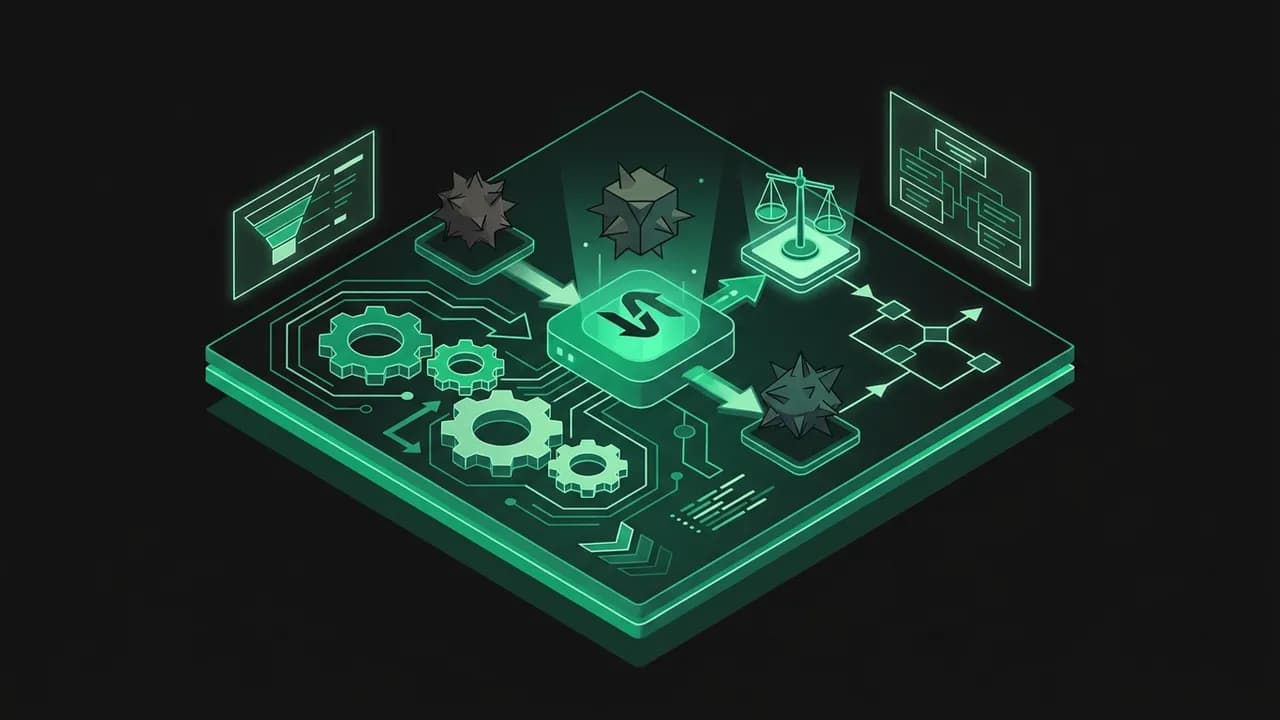
Your board members are humans with egos, biases, and limited context. You must 'Manage' them actively. Governance does not remove human psychology. Some directors are analytical, some are reactive, some are operator-minded, some are politically influential, and some ask hard questions in clumsy ways. The founder’s job is not to please every personality. It is to manage information flow and expectations so the board can function productively.
The Execution Rules
Why Pre-Meeting Syncs Matter
One-on-one pre-syncs reduce surprise, surface objections privately, and make the live meeting more constructive. They do not eliminate disagreement, but they convert some of the emotional charge into earlier context-sharing. That helps the formal meeting stay focused on decisions instead of reactive confusion.
Bad News Should Travel Fast
Boards become dangerous when they stop trusting the founder’s information flow. If bad news is hidden until the meeting, directors start assuming the company is managing optics more than truth. Leading with the hard thing is uncomfortable, but it builds long-term credibility. Investors can often tolerate bad outcomes better than delayed honesty.
Each Director Should Be Used Intentionally
Board members are not interchangeable. Some are strong on fundraising, some on executive hiring, some on GTM, some on finance, and some on founder psychology. Managing the board well means knowing which director is useful for which problem and not expecting every person to contribute equally to every topic.
Assigning Homework Creates Utility
Many founders leave board meetings with vague encouragement but no concrete help. Specific asks are what convert goodwill into leverage. Introductions, recruiting help, pricing feedback, regulatory advice, or customer outreach all become more likely when the ask is clear and time-bounded.
Monthly Updates Reduce Volatility
Regular investor updates improve board meetings because they prevent information starvation. If directors hear from the company every month, they come into the quarterly meeting calmer and better informed. That changes the tone from interrogation to collaboration.
Difficult Personalities Need Structure
Some directors dominate, some grandstand, some fixate on narrow topics, and some become anxious in bad quarters. Structure helps manage all of them. Clear agenda ownership, pre-reads, time boxes, and direct facilitation reduce the space for individual personalities to derail the room.
Trust Is Built Between Meetings
The board meeting itself is only one part of board management. Trust is built in what happens between meetings: updates, candor, follow-through, responsiveness, and whether the founder does what they said they would do.
Tactic: Send a 'Monthly Investor Update' (Topic 90). If you communicate well every month, the quarterly board meeting becomes a calm strategy session rather than an interrogation. Great board dynamics are usually earned in the weeks before the meeting starts.
Execution: Professionalizing Your Governance
As you scale, you must move from 'Casual' to 'Professional' governance to prepare for future funding rounds (Topic 109). Informal governance works only up to a point. Once the company has outside capital, board approvals, option grants, sensitive compensation decisions, and material strategic moves, sloppy governance becomes a real business risk.
The Governance Playbook
Why Governance Hygiene Matters
Governance discipline becomes visible during financing, audits, acquisitions, disputes, or option administration. Companies that keep clean records move faster because the evidence of prior approvals and key decisions already exists. Companies that do not keep records end up recreating history under pressure, which is both risky and expensive.
Minutes Are Operational Memory
Board minutes are not just legal artifacts. They are institutional memory. They document what was approved, what was discussed, which risks were raised, and what decisions actually happened. In later diligence, minutes help prove that the company has been governed responsibly rather than casually improvising its way through major decisions.
The Consent Agenda Saves Time
Routine matters consume more board time than they deserve if they are handled individually. A consent agenda creates efficiency by bundling obvious approvals so the board can preserve live discussion time for strategic material. This sounds minor, but it materially improves meeting quality.
Observer Management Requires Boundaries
Observers can add perspective, but they can also dilute discussion and create confusion about who actually governs. Founders should be deliberate about who attends, why they attend, and what role they play in conversation. More people in the room does not automatically mean better governance.
Governance Should Match Stage, But Stay Real
A small startup does not need public-company governance. But it does need enough professionalism that outside investors, lawyers, and future partners can trust the company’s internal decision process. The right standard is stage-appropriate seriousness, not ceremonial overkill.
Centralize Governance Records
Corporate records, minutes, approvals, stock actions, and key governance documents should live in a clear, durable system. When records are scattered across inboxes, local folders, and memory, the company creates avoidable risk.
Good Governance Creates Speed Later
Founders often view governance as administrative drag. In reality, good governance creates future speed because approvals, records, and legal infrastructure are already in place when the company needs to act. That matters in financings, acquisitions, and executive changes.
Tooling: Use Carta to manage your cap table and board approvals. Use Visible.vc or Standard Metrics to automate your monthly investor reporting and KPI dashboards. Governance should feel more organized as the company scales, not more improvised.
Case Study and Pitfalls: The 'Defensive' Founder
Case Study: The Board Coup that Wasn't
A founder was extremely defensive during board meetings. They treated every question as an attack. They hid bad news until the last minute. The board eventually lost trust and considered replacing the CEO. A mentor stepped in and coached the founder to adopt a 'Collaborative' stance. Once the founder started asking 'What do you think we should do?', the relationship transformed from hostile to supportive. They proved that A Board is a Mirror of your Leadership.
Why Founders Become Defensive
Board meetings trigger defensiveness because they combine judgment, power, uncertainty, and visibility. Founders may feel that every question is a referendum on their competence or authority. But when leaders respond defensively, the board often becomes more suspicious rather than more trusting. Curiosity works better than armor.
The 'Board' Pitfalls
The 'Death by Powerpoint' Error: 50 slides of data and 0 slides of strategy. Fix: Keep the deck to 15 pages maximum.
Not Owning the Agenda: Letting a vocal board member hijack the meeting to talk about their favorite niche topic. Fix: Use a 'Parking Lot' for off-topic items and stick to your time boxes.
Ignoring the 'Outside Directors': Only talking to your VC board members and ignoring independent directors. Fix: Independent directors often have the most operational experience; use them as your primary sounding board.
Treating Questions As Attacks: Responding with defensiveness instead of analysis. Fix: answer with context, options, and a recommendation rather than emotion.
No Follow-Through: Leaving meetings with good discussion but weak execution on agreed actions. Fix: track decisions, owners, and deliverables after every board session.
What Healthy Board Dynamics Feel Like
Healthy board dynamics feel rigorous without becoming theatrical. Directors can challenge assumptions, founders can share hard truths, and disagreement can happen without everyone treating it like a power struggle. The board becomes a place where strategic pressure improves thinking rather than eroding trust.
Questions Founders Should Ask After Every Board Meeting
The Final Principle
A board should not feel like a recurring courtroom. It should feel like a governance forum that sharpens strategy, improves accountability, and gives the founder more leverage than they would have alone. That only happens when the founder is willing to manage the room proactively and use it well.
The 'Board' Challenge: Look at your last board deck (or investor update). How much of it was 'Past Reporting' vs 'Future Strategy'? For your next meeting, commit to spending 40 minutes on one single 'Strategic Deep Dive.' Send the data 72 hours early with a 'Must Read' designation.
Key Takeaways
Send a concise board deck ahead of time so the meeting is for discussion, not reading.
Never surprise the board: communicate proactively, especially with bad news.
Lead with what's not working and ask for specific help; honesty turns investors into allies.
Resolve disagreements with difficult members in pre-meeting 1:1s, not in the room.
Professionalize governance (cadence, minutes, formal approvals); it signals maturity in diligence.
Frequently Asked Questions
What is a startup board meeting?
How do you prepare a board deck?
How do you manage investor expectations?
How do you handle difficult board members?
What is the defensive founder trap?
How do you professionalize startup governance?
Your Turn: The Action Step
Board Deck & Meeting Worksheet
Build a tight board deck and meeting agenda that turns investors into allies — surfacing the real issues and extracting useful help, not just reporting numbers.
Write the headline
One honest paragraph: what's going well, what isn't, and what you need. Lead with this slide.
Fill the metrics dashboard
The numbers every board tracks. Keep it to the vital few.
| Metric | This period | vs last | vs plan |
|---|---|---|---|
Name the real risks
List the 2-3 things that genuinely worry you. Hiding risk from your board destroys trust.
Define your strategic asks
Write the 1-2 things you actually want the board's help on — intros, decisions, pressure-testing.
| Ask | Who can help | By when |
|---|---|---|
List decisions needed
Anything requiring a formal board vote (budget, ESOP, option grants).
Pre-wire the tough conversations
Plan the 1:1s before the meeting so contentious topics aren't a surprise in the room.
Before you close this
0/5 doneYour answers are saved in this browser only. Use “Download as PDF” to keep a copy.
Free Government Money for Startups?
Ready to apply this?
Stop guessing. Use the Litmus platform to validate your specific segment with real data.
Manage Your Board