Crisis Management: Handling the 'Unthinkable' with Grace
In a startup, a crisis is not an 'If,' it's a 'When.' This 3,000-word guide introduces the 'Emergency Response' Protocol (ERP) to help you keep your cool when the servers go down or the bank fails.
Strategy Framework: The Emergency Response Protocol (ERP)
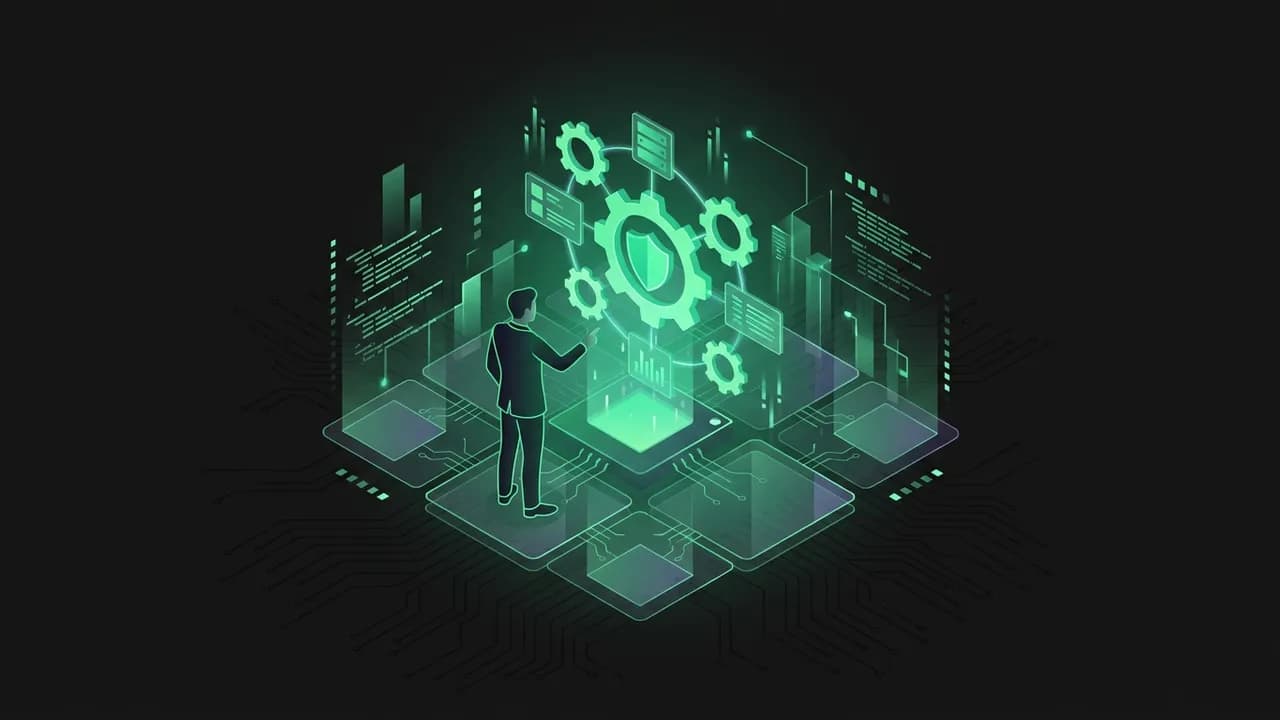
In 2026, the speed of your response is more important than the perfection of the fix. We use the Emergency Response Protocol (ERP) to triage and resolve crises. Startups often imagine crisis management as a technical capability, but it is really an organizational capability. The crisis reveals whether the company can make decisions under pressure, communicate clearly, protect trust, and learn quickly after the fact. Systems fail. Vendors fail. People make mistakes. Markets panic. The question is not whether something breaks. The question is whether the team knows how to respond when it does.
The Incident Levels
Level 1 (P0 - Critical): The core product is down for all users. Revenue is stopping. Action: All hands on deck. CEO handles external comms; CTO handles the fix.
Level 2 (P1 - Major): A major feature is broken (e.g., checkout) or the app is extremely slow. Action: Primary team focused on fix; support team warned of high volume.
Level 3 (P2 - Minor): A non-critical feature is broken or there is a minor data discrepancy. Action: Add to the next sprint (Topic 98).
Why Severity Definitions Matter
Without severity levels, every incident becomes a political fight. People debate urgency, overreact to minor issues, underreact to major ones, and waste time deciding how worried to be instead of taking action. A useful incident framework compresses judgment under stress. It tells the team who gets involved, what communication rhythm is required, and how escalation happens.
The Role Of The Incident Commander
The incident commander is not necessarily the most senior engineer. The job is to coordinate response, keep decision-making clean, assign owners, and maintain communication rhythm. In poorly run incidents, too many people try to lead at once. The result is duplicated effort, missing context, and confused priorities. A single incident commander reduces decision noise so specialists can focus on solving the problem.
Crisis Is More Than Outages
The ERP should apply not only to server crashes, but also to billing failures, payment processor downtime, fraud events, data exposure, critical vendor outages, social media crises, legal threats, and sudden operational breakdowns. The specific playbooks may differ, but the response architecture should remain recognizable: detect, classify, assign, communicate, stabilize, and learn.
The First Job Is Stabilization
During a live incident, the first priority is not root-cause perfection. It is stabilization. Can the blast radius be contained? Can a rollback happen? Can traffic be rerouted? Can a feature be disabled? Can support be briefed before customer anger accelerates? Teams lose time when they argue too early about the ideal permanent fix rather than first stopping the bleeding.
Preparation Beats Heroics
Most crisis quality is determined before the crisis. Roles, contact paths, templates, escalation rules, access privileges, backup ownership, and communication channels should be designed in advance. The strongest teams look calm during incidents not because they are naturally fearless, but because they have already rehearsed what needs to happen.
What The ERP Should Protect
A strong ERP protects:
The Most Important Principle
In a true crisis, clarity beats elegance. Short messages, clean command structure, explicit owners, and disciplined updates outperform clever but chaotic problem-solving.
The Strategy: During a Level 1 or 2 crisis, you must establish a Single Incident Commander. This person makes all final decisions to avoid 'Committee Fatigue' during the heat of the moment. The faster the team converges on structure, the faster it can converge on recovery.
Strategy: Radical Transparency in Communication
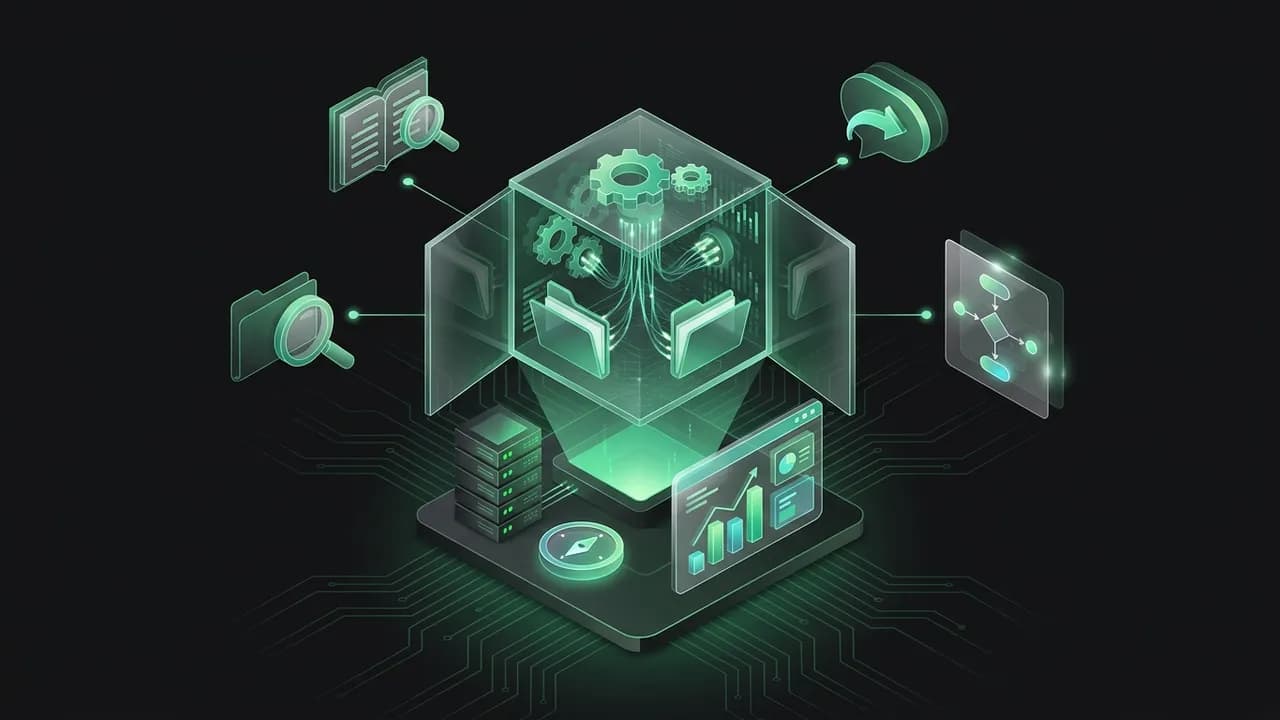
The worst thing you can do during a crisis is stay silent. Silence is interpreted as incompetence or negligence. Customers are usually more tolerant of bad news than of disappearing communication. If they know you are aware, acting, and updating consistently, trust can survive even a painful outage. If they hear nothing, they start inventing explanations that are often worse than reality.
The Execution Rules
Why Communication Fails Under Stress
Teams often go quiet because they do not want to say the wrong thing before they know the root cause. That instinct is understandable but harmful. Early communication does not need complete certainty. It needs acknowledgement, ownership, and timing for the next update. Customers mainly want to know that the company sees the issue and is treating it seriously.
Internal And External Communication Are Different Jobs
Internal crisis communication should be high-frequency, operational, and owner-specific. External communication should be calm, factual, and trust-preserving. Mixing the two is dangerous. Customers do not need every internal detail. Engineers do not need vague brand language while debugging a live failure. Good crisis communication respects audience and purpose.
The Update Cadence Matters
During a major incident, the team should define an update cadence and keep it even if there is not much progress to report. A simple message like 'investigation continues, next update in 30 minutes' is still valuable because it preserves confidence that the company is present and organized. Communication rhythm is part of operational control.
Enterprise Customers Need Special Handling
Large customers often care as much about response quality as outage duration. They want direct contact, clear accountability, and a sense that their risk is being taken seriously. Account owners should know in advance which customers require immediate direct outreach and what escalation path exists if the issue affects contractual commitments or revenue-critical operations.
Templates Save Judgment Capacity
Prewritten templates are useful because they reduce the cognitive load of composing messages in a stressful moment. Teams should have templates for outages, degraded performance, billing issues, security events, vendor failures, and recovery notices. The templates should not remove thought, but they should eliminate avoidable delay.
What A Strong Resolution Message Includes
Once the incident is stabilized, the external follow-up should usually include:
That level of clarity converts the incident from rumor into a managed event.
Tactic: Have pre-written 'Crisis Templates' for different scenarios (Server Outage, Data Breach, Billing Error). It saves critical minutes when you are in panic mode and helps the company sound steady when customers are deciding whether to keep trusting you.
Execution: The Blameless Post-Mortem
A crisis is a gift of data. You must extract every drop of learning from it through a Blameless Post-Mortem. The value of a post-mortem is not in proving who was wrong. It is in increasing the probability that the same failure pattern becomes less likely, less severe, or easier to recover from next time. Without that learning loop, every crisis becomes a tuition payment for a lesson the company never actually absorbs.
The Post-Mortem Playbook
Why Blamelessness Matters
Blameless does not mean consequence-free or intellectually soft. It means the analysis is aimed at system design rather than public scapegoating. If people believe incidents will be used mainly to assign shame, they will hide details, simplify timelines, and protect themselves instead of exposing the full truth. That makes the company less safe.
What A Good Post-Mortem Includes
A useful post-mortem usually contains:
This structure turns the document into an operational tool instead of an after-action narrative nobody uses.
Root Cause Is Often Multi-Layered
Many incidents are not caused by one thing. They emerge from stacked weaknesses: a code flaw, a missing alert, a rushed review, unclear rollback ownership, or a noisy on-call process. The goal of the post-mortem is to map those layers honestly. If the company insists on finding one villainous cause, it usually misses the deeper design flaws that made the incident possible.
Remediation Must Be Prioritized
Post-mortems often fail because the remediation list is too long, vague, or ownerless. A good review results in a small number of high-leverage fixes with explicit deadlines and visible tracking. Otherwise the learning feels satisfying for a day and disappears under normal delivery pressure.
Measure The Response System Too
The review should not only ask why the technical failure occurred. It should also ask how the response system performed. Was the severity classified correctly? Were customers informed fast enough? Did the on-call escalation work? Was decision-making clear? Did the team have the right access and runbooks? Crisis management quality is part of the incident, not a separate topic.
The Real Goal
A post-mortem is successful when it improves system resilience, team learning, and operational confidence. The best teams eventually make incidents less frightening not because they eliminate all risk, but because they become very good at turning failure into institutional capability.
Tooling: Use PagerDuty or Opsgenie for incident alerting. Use Statuspage.io for external comms. Use Incident.io within Slack to automate the ERP flow. The tools matter, but only if the company uses them to turn incidents into durable improvements.
Case Study and Pitfalls: The 'Silent Outage' and the Hero CTO
Case Study: The 12-Hour Blackout
A fintech startup had a database corruption at 2 AM. The CTO fixed it by 2 PM. During those 12 hours, they said nothing. Customers assumed the company had folded. 10% of their users churned in one week. They proved that A 1-hour outage with 10/10 comms is better than a 12-hour silence. They implemented an automated Status Page and a 'Transparency First' policy.
Why Heroics Make Crises Worse
The myth of the hero CTO or lone savior engineer is seductive because it creates a clean story. In reality, heroics often hide weak systems. One exhausted person carrying the whole incident is a sign that ownership, documentation, tooling, and staffing are too fragile. Tired people make riskier decisions, overlook side effects, and create follow-on incidents. Sustainable response is a system property, not a personal virtue.
The 'Crisis' Pitfalls
The 'Hero Work' Error: One person stays up for 48 hours to fix a bug. Fix: Rotate shifts. A tired engineer makes more mistakes and causes new crises.
Ignoring the 'Social' Crisis: A viral negative tweet that is gaining traction. Fix: Treat social PR crises with the same ERP levels as technical outages.
Not testing the 'Backups': Thinking you have backups, but realizing they are corrupted when you need them. Fix: Run a 'Drill' once a quarter (Topic 104).
No Clear Authority: Too many leaders giving contradictory instructions in the same incident. Fix: assign a single incident commander and explicit communication owners.
Recovery Without Reflection: Fixing the outage and then immediately returning to business as usual. Fix: require a documented post-mortem and remediation review.
What Good Crisis Readiness Looks Like
Healthy crisis readiness feels almost boring before the emergency happens. There are templates, drills, contact trees, access rules, runbooks, and clear roles. That boring preparation is exactly what allows a company to look composed when the unexpected arrives. A team that has practiced incident response rarely appears calm by accident.
Questions To Ask Before The Next Incident
The Final Principle
Crisis management is one of the clearest expressions of operational maturity. Companies earn trust in the hard moments, not in the easy ones. The best teams are not the ones that never break. They are the ones that respond clearly, communicate honestly, and come back stronger after failure.
The 'Crisis' Challenge: Who is your 'Incident Commander'? If the servers went down right now, who is authorized to tweet from the company account? Who is authorized to 'Revert' a deployment (Topic 77)? If you don't know, write it down in your Team Handbook (Topic 100) today.
Key Takeaways
Crisis management is mostly preparation: have an incident protocol, roles, and comms templates ready in advance.
Assign an incident commander so response is coordinated, not a lone hero engineer.
Communicate fast and honestly; a silent outage destroys trust more than the outage itself.
Run a blameless post-mortem to fix root causes instead of punishing people.
Keep a status page and pre-written customer updates so you can respond in minutes, not hours.
Frequently Asked Questions
What is crisis management?
How do you handle a server outage?
What is a blameless post-mortem?
Why is transparency important during a crisis?
What are common crisis management mistakes?
How do you communicate with customers during an incident?
Your Turn: The Action Step
Incident Response Worksheet
Build a ready-to-use incident response plan — roles, severity levels, comms templates, and a blameless post-mortem format — before the next outage hits.
Define severity levels
Write what counts as SEV-1 / SEV-2 / SEV-3 so the team knows how hard to pull the alarm.
| Level | Definition | Response time |
|---|---|---|
Assign incident roles
Name the default Incident Commander, comms lead, and tech lead. One commander, no committees.
| Role | Default person | Backup |
|---|---|---|
Draft the customer comms template
Pre-write the holding message so no one improvises under pressure. Transparent, no blame, next-update time.
Set the war-room protocol
Where does the team coordinate, and what's the update cadence during an active incident?
Build the blameless post-mortem template
List the sections: timeline, root cause, impact, and action items — focused on the system, never the person.
Pre-commit to action-item follow-through
Who owns making sure post-mortem fixes actually ship, and by when?
Before you close this
0/5 doneYour answers are saved in this browser only. Use “Download as PDF” to keep a copy.
How Legal Bills Kill Startups Before They Scale
Ready to apply this?
Stop guessing. Use the Litmus platform to validate your specific segment with real data.
Prepare for Crisis