Equity and ESOP: How to Use Ownership to Build a Powerhouse Team
Startup equity is not free money, and it is not a motivational poster. Used well, it aligns risk, retention, and long-term value creation. Used badly, it creates confusion, resentment, and cap-table damage that lasts for years.

Strategy Framework: The Stage-Based Equity Map

In 2026, talent is global, compensation is more transparent than ever, and strong candidates increasingly compare opportunities not only by salary but by upside, mission, and trust. That is why startup equity matters so much. It is one of the few tools that can align a small company and a growing team around long-term value creation.
We use the Stage-Based Equity Map because most companies make one of two mistakes. They either hand out ownership too casually, treating equity like a vague symbol of appreciation, or they become so defensive about dilution that equity stops being useful at all. Strong companies do neither. They treat equity as a strategic allocation system tied to risk, timing, contribution, and retention.
The Allocations
The Founding Team (Employee 1-5): High uncertainty, high leverage, high role breadth. These are often generalists carrying meaningful execution risk. Grants are materially larger because the company still lacks stability and market proof.
The Core Team (Employee 6-20): The business is still fragile, but patterns are emerging. These hires help convert founder chaos into operating capability. Their grants are smaller than the earliest team, but still meaningful because their contribution can shape the company’s next stage.
The Growth Team (Employee 21-50): Roles are becoming more specialized. Risk is lower than in the earliest phase, but execution expectations are higher and org complexity is rising. Equity remains important, though grants usually narrow.
The Scale Team (Employee 50+): By this stage, the company has more structure, clearer role definitions, and reduced existential risk relative to the early phase. Equity still matters, but salary, scope, and career path often become larger components of the decision.
What Equity Should Actually Reward
Equity should reflect more than title. It should reflect:
Why Fixed Rules Often Fail
Founders love simple tables because they feel fair. But pure percentage tables often break under real hiring conditions. A brilliant first engineer, a rare founding designer, and a standard mid-level operator should not all be forced into simplistic symmetry. Good frameworks create consistency without becoming blind to actual leverage.
The Core Reframe
Equity is not compensation for effort already spent. Salary mostly handles that. Equity is compensation for joining the long-term value creation journey before the final outcome is known. That is why timing matters so much. An employee joining before product-market fit is taking a different bet than an employee joining after Series B.
Why Ownership Culture Starts With Design
You cannot create an ownership culture by merely mentioning stock options during offer negotiation. If the plan design is inconsistent, the communication is vague, and the cap table is messy, employees will not feel like owners. They will feel like recipients of a confusing promise.
Another Hiring Reality
The company is not only pricing the role. It is pricing uncertainty. Early employees accept incomplete systems, founder volatility, unclear processes, and a higher chance of failure. Equity is one of the few legitimate ways to compensate for that uncertainty without pretending it does not exist.
Why Grant Philosophy Must Be Consistent
When two similar hires receive materially different grants without a clear reason, people notice. Over time, those inconsistencies damage trust more than founders expect. A grant philosophy does not need to be rigid, but it does need to be explainable. If leadership cannot articulate why a grant was sized the way it was, the system is probably too improvisational.
The Strategy: Equity is not a gift and not a slogan. It is an incentive design system that aligns the financial outcome of the employee with the financial outcome of the company while preserving enough discipline to keep the cap table durable.
Strategy: The Vocabulary of Ownership
If you cannot explain how options work, employees will usually value them at zero or, worse, misunderstand them completely. That creates disappointment later, especially when people discover strike prices, vesting, dilution, tax exposure, or exercise deadlines only after they have mentally counted the equity as guaranteed wealth.
The Core Terms Employees Must Understand
The Execution Rules
Why Miscommunication Is So Damaging
The biggest ESOP mistake is often not structural. It is communicational. Founders say things like "this could be worth millions" without teaching the employee how option economics actually work. That may create excitement in the short term, but it creates mistrust later. Clear explanation is a retention tool because it converts vague optimism into informed commitment.
How To Talk About Value Honestly
A strong offer discussion does not oversell. It shows:
The Total Rewards Mindset
Equity works best when positioned as one component of a total rewards system, not as a magical substitute for fair pay. Strong candidates want to understand the full package: salary, benefits, flexibility, growth path, mission, and upside. Equity becomes more credible when it is integrated into that larger picture rather than being used to disguise underpayment.
The Important Emotional Reality
Employees do not merely want math. They want confidence that the company is being honest. A technically correct explanation that avoids the uncomfortable parts of options is still incomplete. The company should be willing to explain best-case, base-case, and disappointing-case outcomes so that trust is built on accuracy instead of optimism.
Tactic: Use a total rewards letter and an ownership explainer in every senior hire process. If a candidate cannot explain the basics of their grant back to the company, the communication was not clear enough.
Execution: Creating an 'Owner' Culture
An ESOP is legal infrastructure. An owner culture is behavioral infrastructure. The first makes equity possible. The second makes it meaningful. If the company wants employees to think like owners, it has to do more than issue grants. It has to create operating context that connects work to value creation.
The Ownership Playbook
What Owner Culture Actually Looks Like
Real owner culture is visible in behavior. People ask whether work compounds. They care about waste. They think beyond their department. They understand why margins matter. They make decisions that improve durability, not just appearance.
Why Transparency Matters
Employees do not need every confidential detail, but they do need enough context to see the relationship between effort and enterprise value. When companies hide everything, equity feels abstract. When they share thoughtfully, equity becomes a mental model for decision quality.
The Operating Danger
Some founders use the language of ownership while keeping all real context locked away. That creates cynicism. If employees are told to think like owners, they need some exposure to the scorecard: growth, burn, runway, customer concentration, and strategic priorities.
Systems Matter Too
Strong companies do not manage ownership in spreadsheets and memory. They use formal systems, board approvals, and clean grant administration. That is not only good legal hygiene. It is trust hygiene. People take ownership more seriously when the company treats ownership seriously.
Tooling: Use dedicated cap-table software and formal approval workflows. A clean equity system reduces diligence risk, avoids interpretation fights, and signals that the company treats employee ownership as a real institution rather than a founder improvisation.
Case Study and Pitfalls: The 'Broken Cap Table' Nightmare
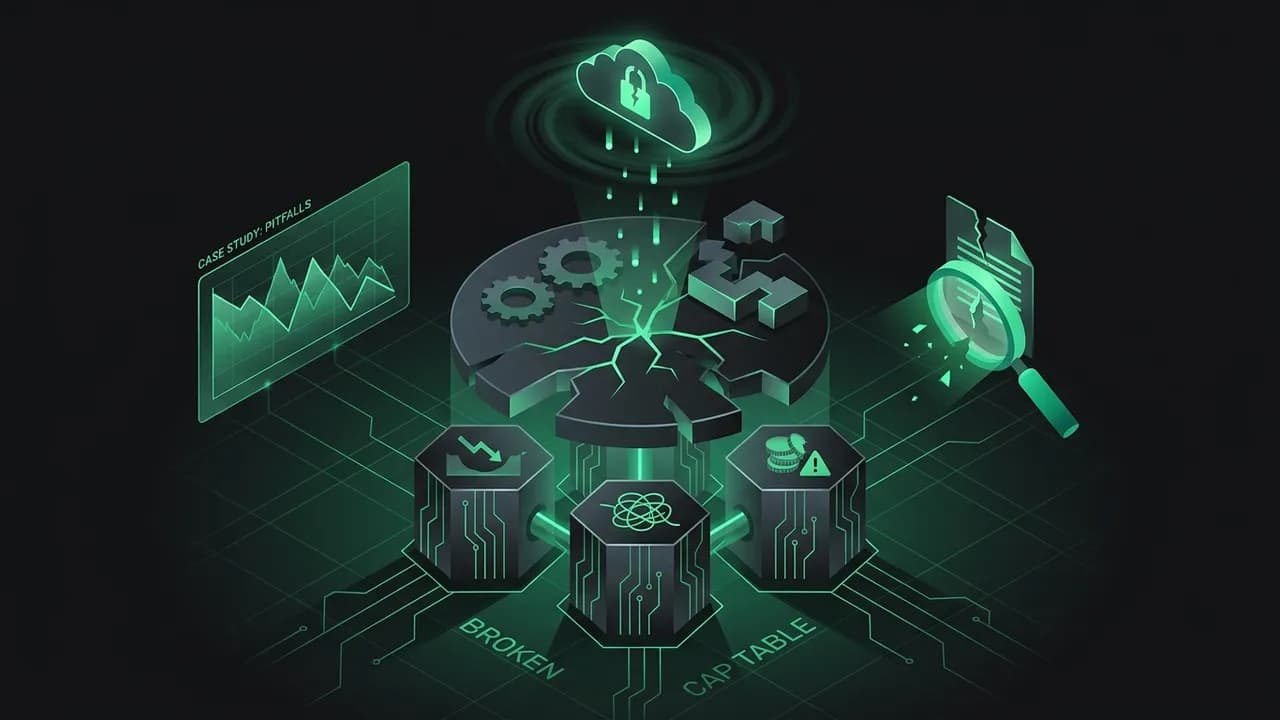
Case Study: The Handshake Equity Disaster
A founder informally promised a meaningful percentage of the company to an early contractor who helped build the MVP. The conversation happened in excitement, not in documents. Years later, when the company had real traction, both sides remembered the promise differently. The contractor believed they had earned founder-level upside. The company believed it had made a loose, non-binding gesture. The dispute escalated, legal costs rose, and financing conversations became harder because investors saw uncertainty in the cap table.
The deeper lesson is simple: unwritten equity promises are not signs of trust. They are delayed liabilities. The moment ownership is discussed, clarity becomes mandatory.
The Equity Pitfalls
The Tax Trap: Using the wrong equity instrument or explaining it poorly, exposing employees to unexpected tax consequences. Fix: use the right instrument for the role and communicate the implications clearly.
An Undersized Option Pool: Companies underestimate future hiring needs and discover too late that the pool cannot support the talent plan. Fix: forecast hiring against pool usage instead of treating the ESOP as a static percentage.
Dead Equity: Ownership remains with people whose contribution ended long ago, reducing flexibility for future hiring and financing. Fix: use vesting consistently and design departure mechanics carefully.
Opaque Offer Communication: Employees accept grants without understanding what they received, then later feel misled. Fix: build repeatable offer education into the hiring process.
Symbolic Ownership Culture: Companies speak about ownership but hide all operational context. Fix: connect grants to metrics, strategy, and company economics.
What Mature Equity Management Looks Like
Mature companies treat employee ownership as an operating system, not a side document. They model hiring needs, refresh the pool intentionally, educate employees repeatedly, document grants precisely, and revisit the philosophy as the company scales.
The Real Goal Of An ESOP
The goal is not to make everyone feel rich on paper. The goal is to build a durable team that behaves like long-term value creators. Equity should increase commitment, decision quality, and retention without creating a fantasy economy inside the company.
One More Founder Discipline
Review equity decisions the same way you review financial decisions. Small grant inconsistencies compound over time. If leadership cannot defend the cap-table logic under board scrutiny, the plan is probably too casual. Strong ESOP management requires periodic calibration, not one-time setup.
Practical Founder Questions
Before issuing the next grant, ask:
The Final Principle
A strong ESOP is not generous because the percentages look dramatic. It is strong because the plan is understandable, financially coherent, legally clean, and trusted by the people it is supposed to motivate. That is what turns ownership from paperwork into leverage.
Key Takeaways
Reserve a defined ESOP pool (often ~10-15% early) and grant on standard 4-year vesting with a 1-year cliff.
In India, plan for perquisite tax at exercise; DPIIT-recognized startups can defer it.
Keep a clean cap table from day one; informal equity promises create painful diligence problems.
Educate employees on what their options are worth, or the equity fails to motivate.
Refresh grants for key people as early grants vest to keep retention strong.
Frequently Asked Questions
What is an ESOP?
How do you set up an ESOP pool and vesting?
How is ESOP taxed in India?
What are ESOP examples?
What are common ESOP and equity mistakes?
How do you build an owner culture with equity?
Your Turn: The Action Step
ESOP Grant Worksheet
Size your ESOP pool, set grant levels by role and stage, and build a clean grant offer your hires actually understand and value.
Size the pool
Decide what % of fully-diluted equity you'll reserve for employees through the next round.
Set grant bands by role
Define typical grant ranges per role/seniority. Earlier and more senior = larger grant.
| Role / level | Grant % range | Rationale |
|---|---|---|
Set the vesting terms
Write your standard vesting schedule, cliff, and what happens on exit.
Draft one grant offer
Fill a real offer: name, %, number of options, strike price, vesting.
| Field | Value |
|---|---|
Write the plain-English value pitch
Most hires don't understand options. Explain the upside in human terms, with an honest scenario.
Check pool runway
How many hires does the pool cover before you must top it up (which dilutes founders)?
Before you close this
0/5 doneYour answers are saved in this browser only. Use “Download as PDF” to keep a copy.
Your Business Will Break Without SOPs
Ready to apply this?
Stop guessing. Use the Litmus platform to validate your specific segment with real data.
Incentivize Your Team