Firing Fast: The Art of Difficult Conversations
Most founders wait 6 months too long to fire a bad hire, costing the company hundreds of thousands in sunken salary and cultural rot. This 3,000-word guide masters the 'Performance Correction' Protocol.
Strategy Framework: The Performance Correction Protocol
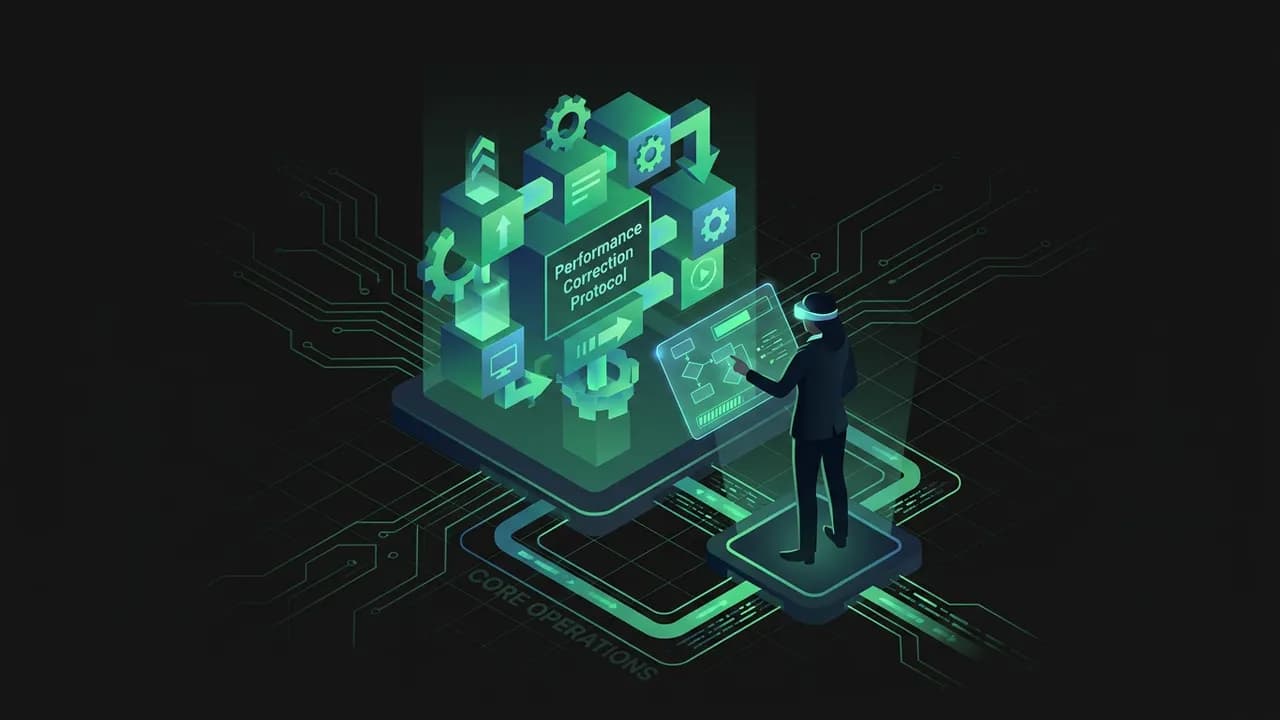
In 2026, 'Hire Slow, Fire Fast' is still the golden rule, but 'Fast' doesn't mean 'Unfair.' We use the Performance Correction Protocol to handle underperformance with clarity and dignity. Termination is one of the highest-stakes operational decisions a founder makes because it affects legal risk, team trust, productivity, and culture simultaneously. The goal is not to become emotionally cold. The goal is to become operationally clear. When leaders delay hard decisions, the company pays in confusion, resentment, and lost momentum.
The Diagnosis
Before you fire, you must diagnose the root cause:
Skill Issue: They want to do the work but don't know how. Fix: Training or a role pivot (Topic 94).
Will Issue: They know how to do the work but lack motivation or cultural alignment (Topic 102). Fix: Immediate correction or termination.
Environment Issue: The company's processes or tools (Topic 97) are preventing them from succeeding. Fix: Operational overhaul.
Why Diagnosis Matters
Many founders mis-handle performance because they jump straight from frustration to conclusion. A missed target can come from unclear priorities, weak management, poor onboarding, lack of tools, or a genuinely wrong hire. If you misdiagnose the problem, you either fire someone who could have succeeded or retain someone who is actively draining the organization. The diagnosis phase is what separates decisive leadership from impulsive leadership.
Skill, Will, And Environment Are Different Problems
A skill gap requires coaching, training, narrower scope, or a different role design. A will gap requires direct conversation about expectations, accountability, and consequences. An environment gap requires leadership to fix the system rather than blaming the individual. Teams get cynical when managers use the language of performance to hide the reality of broken processes. That is why the protocol starts with system thinking before moving into judgment.
Early Signals Leaders Ignore
Poor hires rarely fail all at once. The warning signs often appear early:
When these patterns persist, the cost is not just salary. The cost includes manager attention, teammate frustration, slower execution, and cultural erosion.
The Re-Hire Test
A simple founder question is: if this person resigned today, would we fight hard to keep them? If the answer is clearly no, the company should investigate why. That question is not the whole decision, but it often cuts through rationalization. Great teams are not built by endlessly carrying known misalignment.
The Cost Of Waiting Too Long
Leaders often delay termination because they hope one more conversation, one more quarter, or one more manager change will fix the issue. Sometimes it does. Often it does not. Delay is expensive because everyone around the situation already feels it. Teammates see the underperformance. Customers may experience it. Direct reports adapt around it. The longer leadership refuses to name what is happening, the more credibility it loses.
What Fairness Actually Means
Fairness does not mean infinite patience. Fairness means clear expectations, appropriate support, honest feedback, and proportional consequences. An employee can be treated with dignity even when the answer is still no. In fact, false reassurance is often less humane than clarity. A person cannot make informed career decisions if leadership is too uncomfortable to tell the truth.
The Manager's Responsibility
Before terminating someone for performance, the manager should be able to answer a few uncomfortable questions: were expectations explicit, was feedback timely, was success measurable, and was support proportionate to the role? If the answer to those questions is weak, leadership may be dealing with management failure as much as employee failure. That does not always mean the employee should stay, but it does change what the company should learn from the situation.
The Strategy: If the issue is Will or Culture, you must move to termination immediately. If it's Skill, you have a 30-day window to 'Rescue' them. If they aren't improving by Day 15, the decision is already made. The key is to decide from evidence, not from avoidance or anger.
Strategy: The PIP (Performance Improvement Plan) that actually works
Most PIPs are just 'Delayed Firing.' A real PIP is a genuine attempt to save a valuable asset. The distinction matters. If leadership already knows the employee cannot or should not remain, a performative PIP becomes dishonest theater. A real performance improvement plan should only exist when success is still plausible and the company is willing to support it.
The Execution Rules
What A Good PIP Includes
A useful PIP should define:
If these elements are vague, the employee cannot realistically improve and the company cannot defend the fairness of the process.
Why Most PIPs Fail
Most plans fail because they are overloaded, emotionally vague, or too broad. Telling someone to 'improve communication' or 'show more ownership' is not enough. What meetings? What deliverables? What deadlines? What evidence would show change? Improvement plans fail when managers substitute adjectives for operating standards.
The Weekly Review Discipline
Weekly check-ins should not feel like status theater. They should compare actual performance against the written goals, document whether support was provided, and identify whether behavior is changing in a durable way. The key question is not whether the employee sounds sincere. It is whether measurable evidence is moving. Strong managers document facts, not just impressions.
When A PIP Should End Early
Sometimes a plan should not run its full length. If the employee clearly improves fast and sustainably, the plan can conclude early. If the employee misses critical milestones early, denies the issue entirely, or damages the team while on the plan, it may be kinder and cleaner to end the process sooner. The point is not to drag everyone through a calendar ritual. The point is to resolve uncertainty responsibly.
Support Must Be Real
A PIP is only credible if the company actually provides the support it promises. That might mean training, more frequent review, clearer priorities, temporary scope reduction, documented examples, or mentorship. If the company promises help but leaves the employee alone to fail, the process becomes punitive rather than corrective.
The Emotional Reality
Performance conversations are stressful because they challenge identity, not just output. People hear them as statements about worth. Managers should remember that being direct does not require being cruel. Calm, specific, and factual language is usually more humane than softened but ambiguous messaging. Ambiguity increases fear because people do not know where they actually stand.
The 30-Day Window
For most startup roles, a 30-day rescue window is enough to evaluate meaningful change when the issue is skill-based and the expectations are concrete. Longer timelines often reflect avoidance rather than wisdom. The company should know quickly whether the person can absorb coaching and operate at the required standard.
Tactic: If you notice a 'Bad Hire' in the first 30 days (The 'Honeymoon Phase'), skip the PIP and move straight to termination. You probably made a hiring error (Topic 94), and dragging it out only hurts both parties. Use a PIP only when success is genuinely possible and the company is willing to invest in that outcome.
Execution: The 10-Minute Termination Meeting

The goal of a termination meeting is to be clear, legal, and empathetic. It is not an 'Argument.' The meeting is not the place to relitigate months of feedback, improvise policy, or release pent-up managerial frustration. By the time the conversation happens, the decision should already be operationally complete. The employee deserves clarity, and the company deserves a controlled process.
The Termination Playbook
Preparation Before The Meeting
A clean termination process starts before anyone joins the call. Legal documents should be ready, payroll should know the timing, IT should know when to disable access, equipment retrieval should be planned, and the manager should rehearse the message. Unprepared firings create confusion and increase the chance of both emotional escalation and operational mistakes.
What The Manager Should Actually Say
The language should be short, direct, and final. Explain that the company has made the decision, briefly reference that the decision follows prior performance conversations if relevant, and transition into next-step logistics. The goal is not to persuade the employee to agree. The goal is to communicate the decision respectfully. Over-explaining often invites argument or suggests uncertainty where none should remain.
What Not To Do
Managers commonly make a few avoidable mistakes:
Each of these increases risk for no real benefit.
The Security And Access Layer
Termination is also an access-control event. Companies need a checklist for email, identity providers, messaging tools, CRM systems, code repositories, design systems, analytics dashboards, customer data, and financial tools. The process should not depend on remembering tools from memory under stress. If a company cannot offboard quickly and reliably, it is carrying unnecessary operational risk.
Remote Terminations Require More Care
In distributed teams, the company must handle dignity intentionally because there is no office ritual to contain the moment. The employee should know how to return equipment, how benefits work, when access ends, and who to contact for administrative follow-up. Remote firings can feel more abrupt, so process clarity matters even more. The goal is to be firm without making the person feel discarded.
After The Meeting
Leadership should immediately confirm access changes, notify the smallest necessary internal group, and align on the message to the broader team. The message should be brief, respectful, and non-specific about private details. Teammates do not need gossip. They need reassurance that leadership handles hard situations professionally and that continuity is under control.
The Human Standard
Even when termination is unquestionably the right decision, it is still one of the hardest moments in someone’s working life. Respect matters. A company can be decisive and still humane by being organized, factual, and considerate about next steps. People remember not just that they were fired, but how they were fired.
Tooling: Use Deel or Rippling to handle the formal termination paperwork and final paycheck processing automatically. Use Kandji to remotely lock their company laptop. Build an offboarding checklist once so future decisions do not rely on improvisation.
Case Study and Pitfalls: The 'Toxic' High-Performer
Case Study: The Brilliant Asshole
A startup had a lead developer who was 10x faster than everyone else but treated the rest of the team with contempt. The CEO was afraid to fire them because 'The product will break.' They finally fired the dev when 2 other good engineers quit. Within 2 weeks, the team's morale tripled, and velocity actually increased. They proved that One toxic person can cancel out the productivity of five good ones.
Why Leaders Protect Toxic Performers
Founders often protect high-output toxic employees because they overestimate the individual contribution and underestimate the organizational damage. A toxic person may ship fast personally while slowing everyone else through fear, avoidance, attrition, and communication breakdown. Their visible output masks the hidden tax they impose on the system. Leadership usually sees the code committed or revenue closed. It often notices too late the trust destroyed around them.
The Invisible Cost Of Delay
When teams watch leadership tolerate destructive behavior, they learn what the company truly values. They stop trusting stated values, strong people quietly disengage, and managers spend more time mediating damage than building capability. Delay does not feel neutral to the team. It feels like a decision in favor of the wrong standard.
The 'Firing' Pitfalls
The 'Soft' Firing Error: Sugarcoating the reason until the employee thinks they might have a chance to stay. Fix: Be firm and final.
Ignoring the 'Survivors': Not talking to the rest of the team after a firing. Fix: Hold a brief meeting to explain that the person is gone (not the private details) and reassure the team of the company's stability.
Legal Exposure: Firing someone for a 'Protected Reason' (race, gender, medical leave). Fix: Always consult with your HR tool's legal advisor or a lawyer before firing anyone who isn't 'At-Will.'
Managerial Cowardice Disguised As Empathy: Delaying the decision because the conversation feels uncomfortable. Fix: separate compassion from avoidance; clarity is often the more humane act.
No Post-Mortem: Treating the firing as a one-off event rather than a signal about hiring, management, or cultural screening failures. Fix: review what the company missed and adjust the system.
How To Stabilize The Team Afterward
After a difficult termination, the team often needs two things: confidence that the standard is real and reassurance that the company is stable. Managers should not spill private details, but they should address continuity, ownership transfer, and the principle that respectful high standards matter. When leadership handles this well, morale often improves because ambiguity has ended.
Questions Founders Should Ask Themselves
The Final Principle
The real purpose of firing fast is not aggression. It is organizational integrity. Teams perform best when standards are clear, feedback is honest, and misalignment is not allowed to linger indefinitely. High-performing cultures are built not only by who gets hired, but by what behavior leadership is willing to stop tolerating.
The 'Firing' Challenge: Do you have someone on your team right now that you wouldn't 'Enthusiastically Re-hire' if you had to do it again today? If yes, why are they still there? Draft their 'Performance Correction' goals today.
Key Takeaways
Act decisively once a hire is clearly not working; slow firing hurts morale, cash, and the employee.
Run fair process first: clear expectations, honest feedback, and a genuine PIP, all documented.
Keep the termination meeting short (about 10 minutes), direct, respectful, and final.
Respect Indian labour law: give contractual notice or pay in lieu and settle full and final dues.
Let go of toxic high-performers; their net impact on team trust is usually negative.
Frequently Asked Questions
What does firing fast mean for startups?
How do you fire an employee the right way?
What is a PIP and does it work?
What are the labour law considerations for firing in India?
How do you handle a toxic high-performer?
What are common firing mistakes founders make?
Your Turn: The Action Step
Termination Plan Worksheet
Plan a fair, fast, legally clean exit — from PIP decision to the 10-minute meeting script and the handover — so a hard call is handled with dignity.
Decide PIP or immediate exit
Is this a fixable performance gap (PIP) or a trust/conduct issue (exit now)? State which and why.
Build the PIP (if applicable)
Write 2-4 specific, measurable goals with a deadline. Vague PIPs are unfair and unenforceable.
| Goal (measurable) | Target | Deadline |
|---|---|---|
Document the facts
List the dated, factual evidence — missed targets, written warnings, check-in notes.
Script the 10-minute meeting
Write your opening line (clear, kind, no rambling), the reason in one sentence, and the next steps.
Plan logistics
Severance, final pay, access revocation timing, and equipment return.
| Item | Detail | Owner |
|---|---|---|
Plan the handover and team message
Who absorbs the work, and what you tell the team (respectful, no details).
Before you close this
0/5 doneYour answers are saved in this browser only. Use “Download as PDF” to keep a copy.
Why Startup Funding Is Not Always Good
Ready to apply this?
Stop guessing. Use the Litmus platform to validate your specific segment with real data.
Manage Performance