Customer Support is Marketing: Turning Complaints into Evangelists
Most startups view support as a cost center. This 3,000-word guide breaks down the 'WOW Protocol' to transform every support ticket into a marketing opportunity that triples your retention.
Why Customer Support is Marketing Matters More Than Most Teams Think
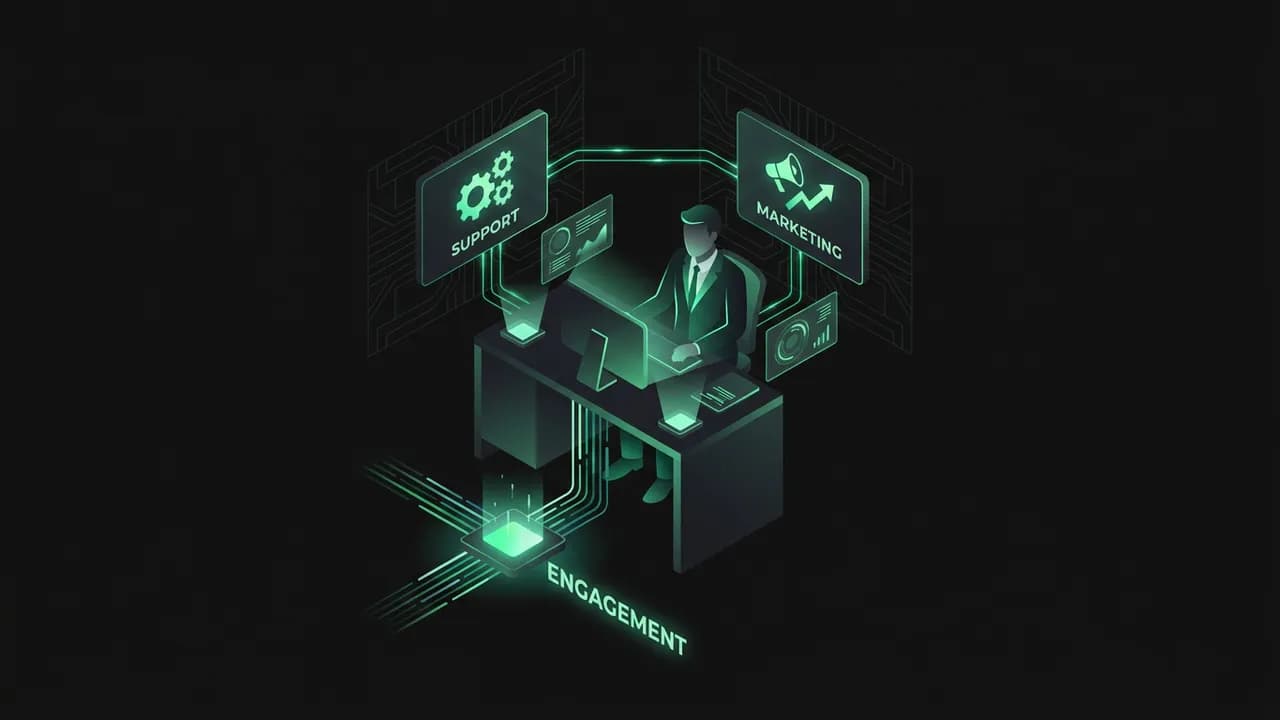
Customer Support is Marketing is often treated as a tactical add-on when it should be treated as a strategic engagement system. In 2025-2026, users have more options, shorter attention spans, and lower tolerance for generic experiences. That means products need better mechanisms to sustain relevance, reinforce value, and reduce drop-off across the lifecycle.
The main failure pattern is not lack of effort. It is misapplied effort. Teams launch programs, campaigns, or features without a clear behavior model, without audience segmentation, and without a strong link to retention or user value. The result is activity without compounding outcomes.
A better approach starts with one question: what repeated user behavior or customer outcome are we trying to improve? Once that is clear, customer support is marketing can be designed as a system rather than a one-off tactic.
This guide focuses on practical execution, current benchmarks, real examples, common pitfalls, and a concrete operating model so the tactic becomes durable rather than decorative.
Core Framework: How to Structure Customer Support is Marketing
A reliable customer support is marketing strategy usually has four layers:
1. Objective
Define whether the goal is activation, retention, re-engagement, expansion, advocacy, or insight collection.
2. Audience
Different cohorts need different prompts, incentives, or experiences. Segment by lifecycle stage, product usage, role, or value profile.
3. Trigger or Cadence
Clarify when the tactic should happen. Some systems work best when event-triggered, others on a recurring cadence.
4. Feedback and Measurement
Track not only interaction with the tactic itself, but whether the underlying user behavior improves.
The reason this structure matters is simple: without objective, audience, trigger, and measurement, the tactic becomes noise instead of leverage.
Execution: Building a High-Performance Customer Support is Marketing System
Execution should start small, but it should not start vaguely.
Step 1: Identify the target behavior
Choose the behavior most closely tied to retention or revenue quality.
Step 2: Design the journey
Map what the user sees, when they see it, what action they are expected to take, and what the reward or outcome is.
Step 3: Segment the rollout
Do not launch to everyone at once. Start with one meaningful cohort.
Step 4: Instrument the funnel
Track exposure, action, completion, and downstream impact.
Step 5: Iterate weekly
The best engagement systems improve through small cycles of testing, not one large launch.
This operating discipline is what separates a tactic that looks clever in a meeting from a tactic that actually improves retention, activation, or expansion.
Advanced Strategy: How to Make Customer Support is Marketing Compound
The highest-performing teams make customer support is marketing compound in three ways:
Compounding matters because a standalone tactic can lift a metric temporarily, but connected systems create durable behavior change. When users repeatedly experience relevance, progress, and clarity, the tactic stops feeling like a campaign and starts feeling like part of the product relationship.
Why Great Support Becomes a Growth Channel
Support shapes brand perception more powerfully than many paid campaigns because it shows customers what the company is like when something goes wrong. A fast, clear, competent resolution can increase trust and advocacy. A slow or dismissive response can destroy months of goodwill.
Support becomes marketing when it does three things well:
Examples of Support That Builds Evangelists
Great support teams often turn frustrated customers into promoters by responding quickly, following up clearly, and showing genuine ownership. In SaaS, this can improve retention and expansion. In consumer products, it can improve reviews and word-of-mouth.
The key is that the support moment becomes proof of brand quality under pressure.
Real-World Examples & Benchmarks
Example 1: Category-leading products usually succeed here by making the experience timely, useful, and easy to act on rather than overly clever.
Example 2: B2B teams often win by segmenting operators, admins, and champions separately rather than pushing one message to all accounts.
Example 3: Consumer apps often pair this tactic with visible progress, habit reinforcement, or social proof to make return behavior more likely.
Benchmarks should be interpreted directionally rather than dogmatically. Strong programs usually outperform weak ones not because they send more, but because they are more relevant, more contextual, and better connected to user goals.
Common Pitfalls & How to Avoid Them
Pitfall 1: No clear objective
Pitfall 2: Treating all users the same
Pitfall 3: Measuring only surface metrics
Pitfall 4: Overbuilding before validation
Pitfall 5: Weak follow-through
Pitfall 6: Poor connection to the rest of the product journey
What to Measure in Customer Support is Marketing
Useful measurement should answer whether customer support is marketing changed behavior, not just whether users saw it.
Core Metrics
Diagnostic Questions
Measurement matters because many engagement tactics look active while failing to improve the actual customer journey.
Actionable Conclusion and SEO Guidance
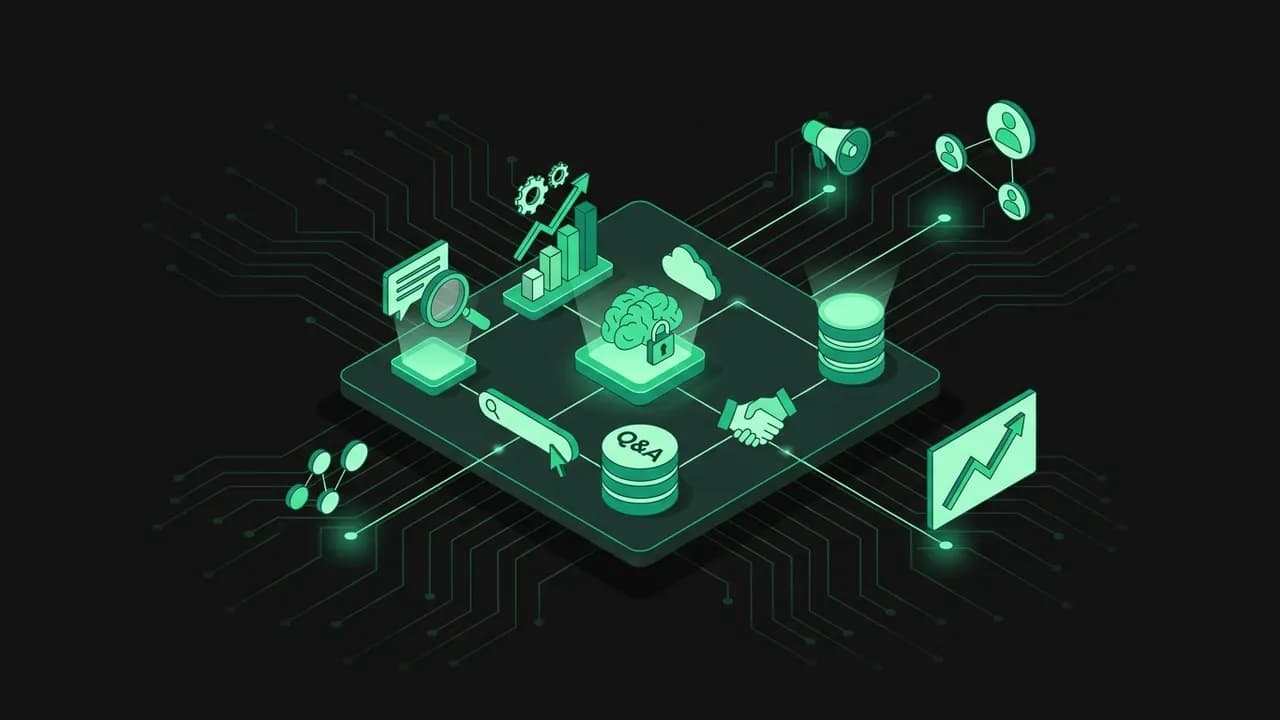
A strong customer support is marketing system is built on clarity, segmentation, timing, and disciplined iteration. The teams that get results are usually not the loudest. They are the ones that make each touchpoint easier to understand, easier to act on, and more obviously valuable.
Your Next 5 Steps
choose one high-value user behavior to influence
segment the right audience
design the smallest useful version of the system
instrument the full journey
review results weekly and iterate
SEO / Optimization Notes
This guide should naturally include keywords related to customer support is marketing turning complaints into evangelists, plus adjacent terms and semantic variants. The meta description should align with the updated article scope. Internal linking should connect this guide to onboarding, churn, retention, lifecycle messaging, support, and engagement topics where relevant. Avoid filler and keep keyword usage natural, distributed, and human-readable.
The best engagement systems do not rely on volume. They rely on relevance and repeatable value.
Designing a Support System That Builds Trust
A great support experience is fast, clear, and ownership-driven. Customers notice not only whether the issue was fixed, but how it was handled.
Support builds trust when:
These moments shape brand memory more deeply than many outbound campaigns.
Closing the Loop Between Support, Product, and Marketing
Support should feed product and lifecycle teams continuously. Repeated complaints often reveal onboarding flaws, broken expectations, missing documentation, or positioning gaps.
A weekly support digest can include:
This is why support is not only reactive service. It is a growth intelligence layer.
Final Support Takeaways
When support is handled well, the company proves competence under pressure. That is why support can turn complaints into advocacy: it demonstrates the brand when the customer is paying the closest attention.
Service Recovery: The Moment Trust Is Won or Lost
When something breaks, support becomes the brand. A great recovery experience can deepen trust because the customer sees responsiveness, competence, and honesty under pressure.
A strong service-recovery model usually includes:
Customers remember whether the company took ownership. That memory drives future advocacy more than polished marketing language.
Support Metrics That Matter for Brand and Retention
Good support metrics include:
These measures matter because support should be judged not only by speed, but by whether it preserves trust and reduces future friction.
Support Playbook: What to Improve First
If support is going to strengthen the brand, start with the basics: faster acknowledgment, clearer status communication, better documentation reuse, and a weekly loop from support themes to product fixes. When those are reliable, advocacy improves naturally because customers feel seen and helped rather than managed.
Final Depth: Support Creates Brand Memory
Customers often remember support moments more vividly than ad campaigns because those moments happen under stress. A company that responds well during friction earns a level of trust that polished messaging alone rarely creates.
That trust is why support can become one of the strongest forms of marketing.
Support Reputation: How Service Quality Shapes Word of Mouth
Support influences reputation because customers talk about how they were treated when something went wrong. A company that resolves issues clearly and respectfully creates stories people repeat. A company that confuses, delays, or deflects creates warnings people repeat.
That is why support quality can shape reviews, referrals, renewals, and brand trust. The support team is often producing reputation effects in real time, whether the company measures them explicitly or not.
Last-Mile Optimization: Support Quality Should Be Visible Internally
Companies improve support faster when the rest of the organization can see what support is surfacing. Visible issue themes, resolution quality, and customer sentiment help product, lifecycle, and leadership teams respond more intelligently.
That visibility is what transforms support from a cost center into a brand-strengthening operating system.
Completion Pass: Checklist for Support That Builds Brand Trust
Support strengthens the brand when:
This checklist helps the team use support as both a recovery engine and a trust engine.
Advanced Support Examples: Where Recovery Creates Advocacy
Support can create advocates when the customer feels the company genuinely took ownership. This can happen through fast human follow-up, proactive updates before the customer asks again, thoughtful documentation, or visible fixes to recurring issues.
What matters is not just speed. It is the sense that the company is competent, honest, and committed to helping the customer win. That is the kind of experience people remember and recommend.
Final Support Wrap-Up
Support earns loyalty when it resolves issues with clarity, ownership, and respect. Those moments shape brand memory deeply, which is why support can create advocacy as powerfully as marketing can.
Extra Examples and Support Edge Cases
Fast support is not enough if the resolution is unclear, and detailed support is not enough if it arrives too late. Great support balances speed, clarity, ownership, and closure. That balance is what turns a frustrating moment into a trust-building one.
Why Great Support Lowers Future Friction
Support does more than solve present problems. It can reduce future friction by improving documentation, clarifying expectations, and feeding product fixes that prevent the same issue from recurring. This is why support quality compounds over time when the organization listens well.
Support and Internal Credibility
Support quality also shapes internal credibility. When leadership sees support generating insight, preserving accounts, and improving sentiment, the function is treated differently. That often unlocks better tooling, faster fixes, and stronger collaboration with product and growth teams.
This internal shift matters because customer trust improves fastest when the whole company respects what support surfaces.
Support Playbooks: Consistency Builds Trust Faster Than Heroics
Customers appreciate heroic saves, but what builds trust fastest is reliable consistency. Clear playbooks for acknowledgment, escalation, follow-up, and resolution quality create a support experience customers can depend on.
That predictability reduces anxiety during problem moments and makes the brand feel more competent overall.
Why Support Stories Spread
Support stories travel because they reveal how a company behaves when things are inconvenient. A strong resolution can create positive word of mouth precisely because customers expect less and remember more in moments of friction.
That is why support can influence reviews, referrals, and renewals so strongly. It leaves a story behind.
Documentation, Follow-Up, and Long-Term Trust
Support quality improves when every resolved issue has the chance to reduce future confusion. That can happen through better help content, smarter onboarding cues, improved status communication, or direct follow-up that confirms the user is unstuck.
This prevents the same pain from repeating and signals that the company is learning, not just reacting.
Final Support Principle
Support becomes marketing when customers leave the interaction with more trust than they had before the problem started. That trust is one of the strongest forms of brand equity a company can build.
Key Takeaways
Treat every support interaction as a brand and retention moment, not just a ticket to close.
Recover service failures fast and personally; recovered customers often become your loudest advocates.
Measure first-contact resolution and CSAT, and tie support outcomes to churn and referral data.
Feed recurring support issues back into the product so ticket volume shrinks at the source.
Study Zerodha and CRED in India for support that doubles as a competitive moat.
Frequently Asked Questions
What does 'customer support is marketing' mean?
How do you turn complaints into evangelists?
What are examples of support-driven loyalty?
What support metrics actually matter for retention?
What are common customer support mistakes?
How do you scale great support as you grow?
Your Turn: The Action Step
Complaint-to-Evangelist Playbook
Build a service-recovery script and follow-up loop that turns your most common complaints into public advocates.
Rank your top 3 complaint types
From recent tickets, list the 3 most frequent complaints by volume.
| Complaint type | % of tickets | Current handling |
|---|---|---|
Set a first-response SLA
How fast will you acknowledge, and on which channel?
Write the recovery script
For your #1 complaint: the acknowledgement, the fix, and one small over-delivery.
| Step | What we say / do |
|---|---|
Design the follow-up loop
Two touches: a check-in that the fix worked, then an advocacy ask if they're happy.
Close the loop to product & team
Where does the complaint data go so the root cause gets fixed, and how do wins get seen internally?
Before you close this
0/5 doneYour answers are saved in this browser only. Use “Download as PDF” to keep a copy.
Your Old Users Are More Profitable Than New Customers
Ready to apply this?
Stop guessing. Use the Litmus platform to validate your specific segment with real data.
Delight Your Users