Frequency of Contact
Fear of 'bothering' users is the #1 reason startups stay invisible. This 3,000-word guide masters the 'Volume-Value' balancer to find the perfect cadence that drives trust without triggering unsubscribes.
Why Frequency of Contact Matters More Than Most Teams Think
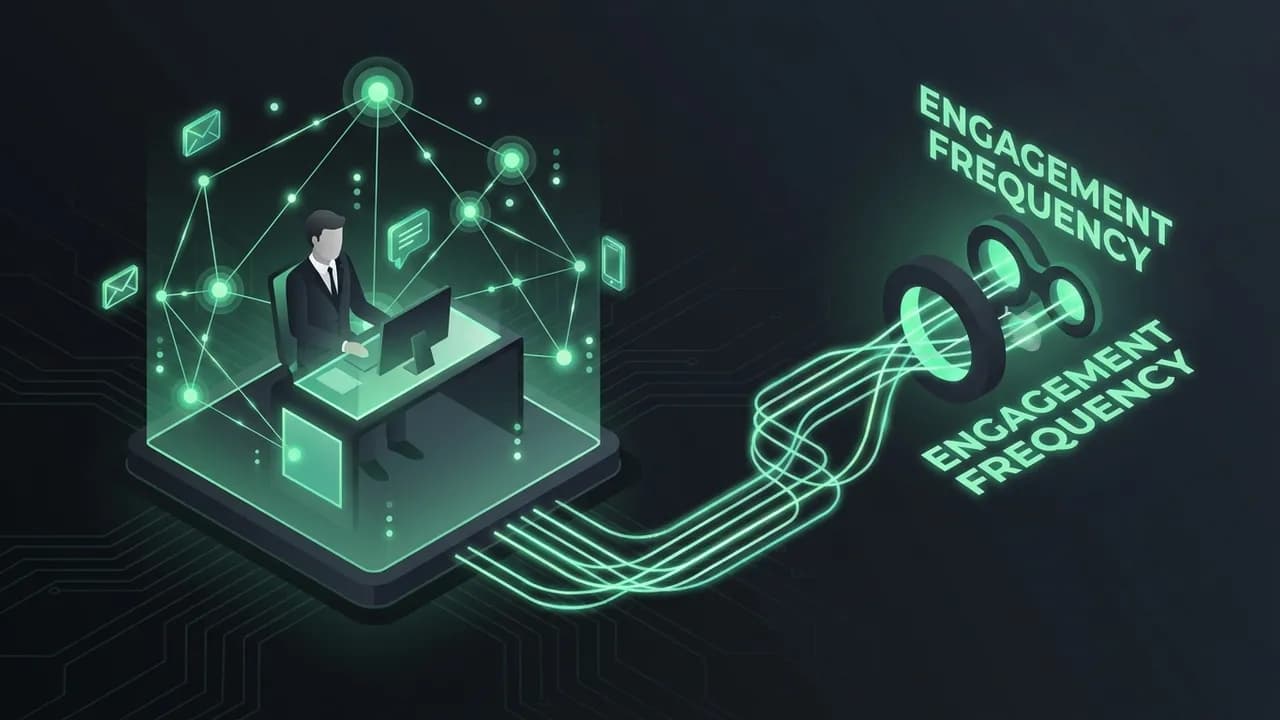
Frequency of Contact is often treated as a tactical add-on when it should be treated as a strategic engagement system. In 2025-2026, users have more options, shorter attention spans, and lower tolerance for generic experiences. That means products need better mechanisms to sustain relevance, reinforce value, and reduce drop-off across the lifecycle.
The main failure pattern is not lack of effort. It is misapplied effort. Teams launch programs, campaigns, or features without a clear behavior model, without audience segmentation, and without a strong link to retention or user value. The result is activity without compounding outcomes.
A better approach starts with one question: what repeated user behavior or customer outcome are we trying to improve? Once that is clear, frequency of contact can be designed as a system rather than a one-off tactic.
This guide focuses on practical execution, current benchmarks, real examples, common pitfalls, and a concrete operating model so the tactic becomes durable rather than decorative.
Core Framework: How to Structure Frequency of Contact
A reliable frequency of contact strategy usually has four layers:
1. Objective
Define whether the goal is activation, retention, re-engagement, expansion, advocacy, or insight collection.
2. Audience
Different cohorts need different prompts, incentives, or experiences. Segment by lifecycle stage, product usage, role, or value profile.
3. Trigger or Cadence
Clarify when the tactic should happen. Some systems work best when event-triggered, others on a recurring cadence.
4. Feedback and Measurement
Track not only interaction with the tactic itself, but whether the underlying user behavior improves.
The reason this structure matters is simple: without objective, audience, trigger, and measurement, the tactic becomes noise instead of leverage.
Execution: Building a High-Performance Frequency of Contact System
Execution should start small, but it should not start vaguely.
Step 1: Identify the target behavior
Choose the behavior most closely tied to retention or revenue quality.
Step 2: Design the journey
Map what the user sees, when they see it, what action they are expected to take, and what the reward or outcome is.
Step 3: Segment the rollout
Do not launch to everyone at once. Start with one meaningful cohort.
Step 4: Instrument the funnel
Track exposure, action, completion, and downstream impact.
Step 5: Iterate weekly
The best engagement systems improve through small cycles of testing, not one large launch.
This operating discipline is what separates a tactic that looks clever in a meeting from a tactic that actually improves retention, activation, or expansion.
Advanced Strategy: How to Make Frequency of Contact Compound
The highest-performing teams make frequency of contact compound in three ways:
Compounding matters because a standalone tactic can lift a metric temporarily, but connected systems create durable behavior change. When users repeatedly experience relevance, progress, and clarity, the tactic stops feeling like a campaign and starts feeling like part of the product relationship.
Cadence Design: How Often Should You Actually Email?
There is no universal perfect cadence. The right frequency depends on user expectations, content quality, lifecycle stage, and urgency.
A good cadence model usually starts with:
Too much email creates fatigue. Too little email weakens memory and habit. The correct answer comes from segment-level testing, unsubscribe monitoring, and whether the email actually helps the user accomplish something.
Examples of Healthy Contact Frequency
Weekly newsletters often work because they are predictable and sustainable. Triggered lifecycle emails work because they are contextual. Daily emails can work in media or high-signal curation products, but usually fail in generic product marketing.
The best cadence feels earned. Users should understand why they are hearing from you and what value the message is supposed to create.
Real-World Examples & Benchmarks
Example 1: Category-leading products usually succeed here by making the experience timely, useful, and easy to act on rather than overly clever.
Example 2: B2B teams often win by segmenting operators, admins, and champions separately rather than pushing one message to all accounts.
Example 3: Consumer apps often pair this tactic with visible progress, habit reinforcement, or social proof to make return behavior more likely.
Benchmarks should be interpreted directionally rather than dogmatically. Strong programs usually outperform weak ones not because they send more, but because they are more relevant, more contextual, and better connected to user goals.
Common Pitfalls & How to Avoid Them
Pitfall 1: No clear objective
Pitfall 2: Treating all users the same
Pitfall 3: Measuring only surface metrics
Pitfall 4: Overbuilding before validation
Pitfall 5: Weak follow-through
Pitfall 6: Poor connection to the rest of the product journey
What to Measure in Frequency of Contact
Useful measurement should answer whether frequency of contact changed behavior, not just whether users saw it.
Core Metrics
Diagnostic Questions
Measurement matters because many engagement tactics look active while failing to improve the actual customer journey.
Actionable Conclusion and SEO Guidance
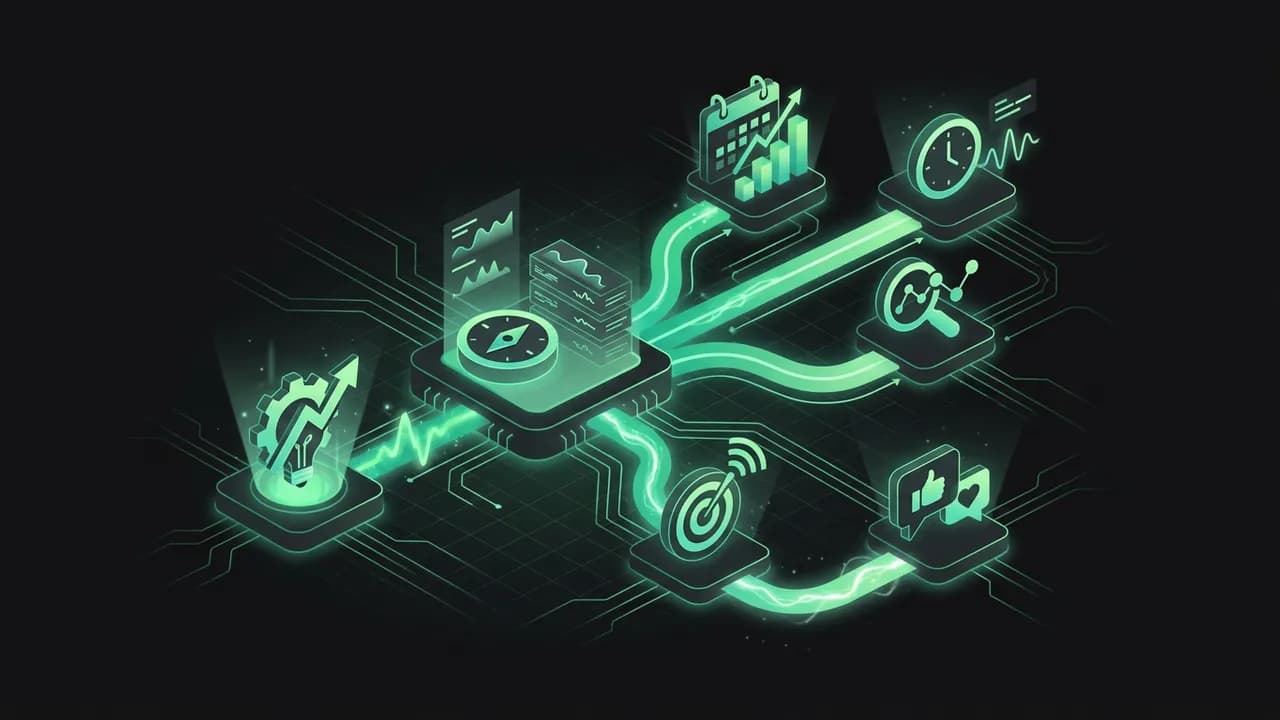
A strong frequency of contact system is built on clarity, segmentation, timing, and disciplined iteration. The teams that get results are usually not the loudest. They are the ones that make each touchpoint easier to understand, easier to act on, and more obviously valuable.
Your Next 5 Steps
choose one high-value user behavior to influence
segment the right audience
design the smallest useful version of the system
instrument the full journey
review results weekly and iterate
SEO / Optimization Notes
This guide should naturally include keywords related to frequency of contact how often should you email, plus adjacent terms and semantic variants. The meta description should align with the updated article scope. Internal linking should connect this guide to onboarding, churn, retention, lifecycle messaging, support, and engagement topics where relevant. Avoid filler and keep keyword usage natural, distributed, and human-readable.
The best engagement systems do not rely on volume. They rely on relevance and repeatable value.
Cadence Matrix: Match Frequency to Lifecycle and Intent
The right email frequency depends on why the user is hearing from you.
Typical Cadence Logic
A cadence matrix helps prevent over-sending because it forces teams to map purpose to timing instead of relying on gut feeling.
Fatigue Signals and Suppression Rules
Email fatigue usually appears before unsubscribe spikes. Watch for:
Suppression rules matter:
Good contact frequency protects attention rather than assuming infinite tolerance.
Final Contact-Frequency Playbook
If you want a healthier email program this month, do three things: define lifecycle-based cadence, remove one low-value recurring send, and add suppression logic for disengaged users. Frequency should feel earned by value, not justified by internal pressure to “send something.”
Segmentation Depth: Different Users Need Different Contact Volume
The correct frequency for a highly engaged power user is rarely the correct frequency for a quiet free user or a newly activated customer. Segment-level contact strategy improves performance because relevance varies with behavior.
Useful segments include:
Once these segments exist, cadence becomes easier to reason about. Instead of asking "how often should we email?" the team can ask "how often should this user receive this type of value?"
Testing Model: How to Find the Right Frequency Without Guessing
A practical way to test frequency is to compare cohorts across send volume, not just subject lines. Test weekly vs biweekly, triggered vs fixed cadence, and shorter vs longer sequences.
Key measures:
The right answer is often revealed not by the highest opens, but by the best long-term combination of engagement and low fatigue.
Contact Strategy Examples Across Product Types
A B2B SaaS product may email heavily during onboarding, then settle into weekly product education and triggered lifecycle messaging. An ecommerce brand may use transactional, replenishment, and promotional emails with tighter suppression logic. A media product may succeed with daily frequency if each message reliably delivers value.
These examples show why frequency cannot be separated from expectation. Users tolerate more when the content is consistently useful.
Final Depth: Contact Strategy Should Protect Attention
Email is cheap to send but expensive to waste. Every unnecessary send reduces future trust a little. The best teams treat attention like a scarce asset and send only when the value is clear enough to justify the interruption.
That mindset alone improves cadence quality because it shifts the question from internal calendar pressure to user benefit.
Lifecycle Matrix: Matching Email Volume to User Need
Contact strategy becomes far more effective when each lifecycle stage has a clear communication purpose. New users often need faster guidance because confusion is highest. Active users may need only a steady rhythm of education or updates. At-risk users may need a short burst of helpful re-engagement. Long-term loyal users may prefer concise, high-value messages over frequent reminders.
This matrix prevents both over-emailing and under-emailing. Instead of forcing the same cadence on everyone, the team can align contact frequency to the user’s current needs and likely attention level.
The result is a healthier relationship with the channel: more relevance, less fatigue, and clearer performance interpretation.
Last-Mile Optimization: Build an Attention-Safe Email Program
A strong email program respects that attention is cumulative. Every useful message increases future permission slightly; every wasteful one reduces it. Teams that understand this design fewer but more meaningful sends, clearer lifecycle logic, and better suppression systems.
That is what makes contact strategy sustainable. It is not about sending the most. It is about maintaining enough trust that the next message still has a real chance to matter.
Completion Pass: Checklist for Sustainable Contact Frequency
A sustainable contact strategy usually has:
This checklist helps teams maintain email quality as volume grows. That discipline matters more than finding one mythical perfect number of emails per week.
Operational Examples: What Good Email Cadence Looks Like in Practice
A product-led SaaS team may send 4-5 emails across the first onboarding week, then shift to weekly education and event-triggered nudges. A retention-focused ecommerce brand may rely more heavily on order, replenishment, and loyalty-cycle messaging, with promotions constrained by suppression rules. A community-driven media brand may sustain higher frequency because each send delivers consistent signal and habit value.
These practical differences show that cadence should be designed around user context, not copied from generic benchmarks.
Final Contact Strategy Wrap-Up
The best contact strategy is not aggressive or timid. It is calibrated. It respects the user's attention, adapts to lifecycle stage, and keeps each message aligned with a clear reason to exist. That discipline is what keeps email effective over time.
Extra Examples and Cadence Edge Cases
High-frequency programs can work when users explicitly expect constant signal, such as breaking-news media or high-value market alerts. Low-frequency programs can work when the audience only needs occasional high-trust updates. Most product and lifecycle email sits in the middle. That is why cadence must be earned by utility, not normalized by internal habit.
One Last Cadence Principle
The right cadence is the one users would miss if it disappeared, not the one marketers can justify sending most often.
Key Takeaways
There is no universal cadence; the test is whether each send earns its place in the inbox.
Let behaviour (opens, clicks, complaints) guide frequency, not a fixed rule.
Segment by engagement so active users hear more from you than dormant ones.
Offer a preference centre so users pick their own cadence and you cut unsubscribes.
Over-mailing unengaged users damages deliverability for your whole list, so suppress them.
Frequently Asked Questions
What is email frequency and why does it matter?
How often should you email your list?
How do you find the right send frequency?
What are common email frequency mistakes?
How does frequency affect deliverability?
Should you let users control how often you contact them?
Your Turn: The Action Step
Contact Cadence Matrix
Build a per-segment email cadence matrix with frequency caps and fatigue-based suppression rules that protect attention.
List your lifecycle segments
Group users by stage — new, active, low-engagement, dormant.
Build the cadence matrix
Set frequency per segment, justified by intent — higher intent tolerates more contact.
| Segment | Emails / week | Primary email type | Why this frequency |
|---|---|---|---|
Set a global frequency cap
The max any single user gets per week across ALL programs combined.
Define fatigue signals
The behaviours that mean a user is tuning out.
Write suppression & re-entry rules
What automatically happens when a user trips a fatigue signal, and how they come back.
| Trigger | Action (downgrade/pause) | Re-entry condition |
|---|---|---|
Before you close this
0/5 doneYour answers are saved in this browser only. Use “Download as PDF” to keep a copy.
Customer Support Is Your Hidden Growth Engine
Ready to apply this?
Stop guessing. Use the Litmus platform to validate your specific segment with real data.
Optimize Cadence