Launch Day Strategy: ProductHunt, Hacker News, and Beyond
"Build it and they will come" is the biggest lie in startups. This 3,000-word guide breaks down the 'Marketing Echo' protocol and the exact 24-hour schedule required to dominate global launch platforms.
The Launch Myth vs. Reality in 2026
"Launch day" is not a single calendar slot—it is a 30-day media arc. Product Hunt sends 18 million monthly visitors, but less than 1% convert unless you warm the crowd. Hacker News can spike 200k visits, yet 90% bounce if onboarding breaks. Launches fail because founders treat them as lottery tickets instead of operations sprints.
Your goal: engineer a compounded launch—stacked announcements across Product Hunt, Hacker News, Reddit, LinkedIn, newsletters, and partner audiences that drive sustained activation, not vanity upvotes.
Launch Math: Reverse-Engineering Targets
Start with hard numbers:
Build a spreadsheet that maps each channel to ownership, CTA, and conversion assumptions. If the math doesn’t work on paper, the launch won’t work live.
Strategy Phase I (Days -21 to -3): Pre-Heat the Crowd
Audience Mapping: Segment insiders (customers, beta users), influencers, communities, press.
Narrative Assets: Publish 3 teaser posts (problem/rant, behind-the-scenes build, mission manifesto) to prime algorithms and followers.
Beta Army: Recruit 200 champions into a private channel, ship swag, prep them with talking points, Q&A, and demo script.
Tech Prep: Load balance infrastructure, smoke-test auth flows, prepare downtime messages.
PR & Partner Alignment: Draft embargoed press release, schedule partner newsletters, and line up podcast drops for launch week.
Pre-heat output: warm list of 2,000+ supporters ready to activate on launch day.
Strategy Phase II (Day 0): Launch-Day Runbook
06:00 UTC: Publish Product Hunt page (maker comments, first 10 replies seeded).
06:05 UTC: Tweet thread + LinkedIn carousel linking to teaser landing page (not PH) to avoid suppression.
06:30 UTC: Activate beta army—personalized DMs, pre-written blurbs, comment prompts.
07:00 UTC: Submit HN "Show HN" post with long-form technical breakdown.
Every hour: Rotate team members to answer every comment within 5 minutes on PH/HN/Reddit. Algorithms reward responsiveness.
Midday: Livestream product tour + AMA; record clips for future ads.
Afternoon: Drop press release + founder letter on Substack/Medium.
End of day: Share progress recap, thank supporters, tease Day +1 surprise (e.g., discount, roadmap reveal).
Assign owners and backups for each time slot. Treat launch like a war-room with dashboards tracking traffic, signups, infra health, and sentiment.
Strategy Phase III (Days +1 to +30): Momentum Flywheel
Tie promotions to activation tasks: onboarding webinars, template libraries, open office hours. Launch hype only matters if it improves retention and revenue run rate.
Tooling Stack & Templates
Template pack includes: PH maker comment, HN technical post, supporter email, influencer script, 7-day social calendar, outage response script.
Real-World Launches & Benchmarks
Linear (2024)
Ran a “soft launch” months early via waitlist stories, then formal PH drop with 2,000 prepped advocates. Result: Top product of the day/week, 35k signups, 60% activation.
Arc Browser
Used a documentary-style video + curated HN technical write-up. Result: 200k waitlist adds, 15k daily active installs.
ElevenLabs
Deployed multi-language influencer blitz + Discord AMA + PH drop on same day. Result: traction with global creators, raising Series A shortly after.
Benchmarks:
Common Pitfalls & Safeguards
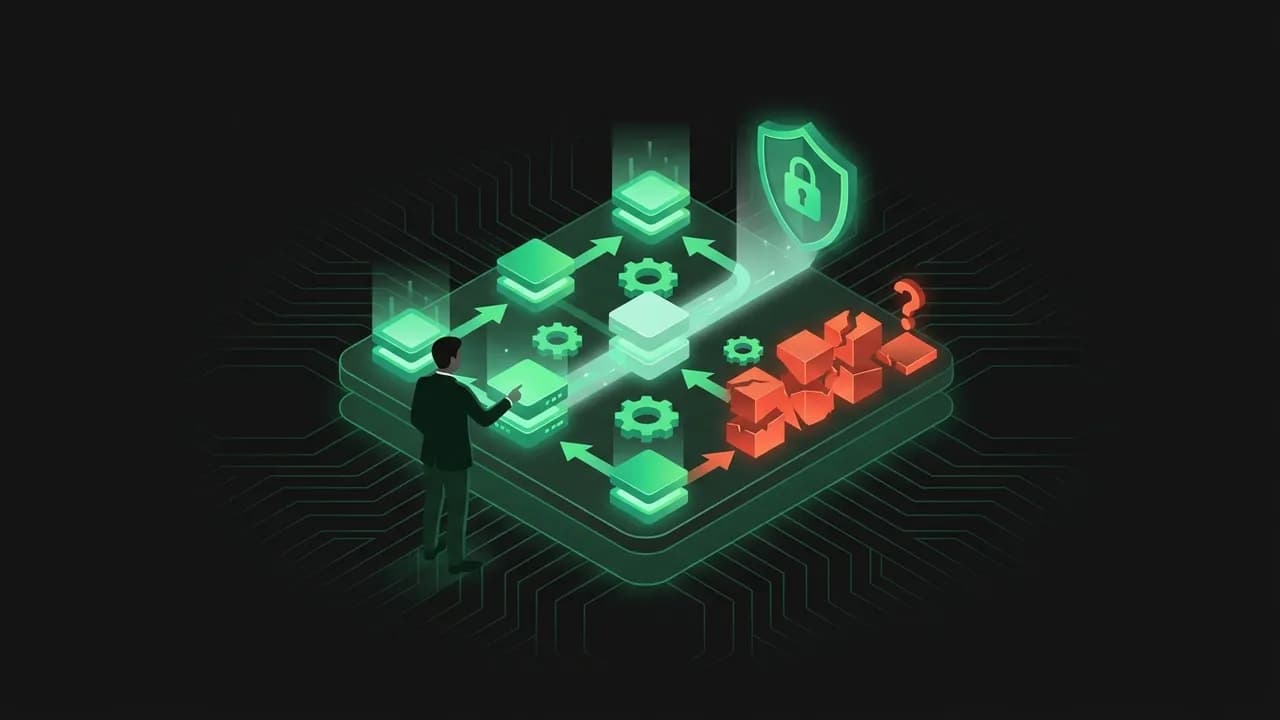
The Six Launch-Day Killers
Cold Launch: zero warmup, counting on strangers. Fix: pre-launch nurture + partner amplification.
Linking directly to PH/HN from social: algorithms downrank. Fix: link to teaser page with buttons.
Ignoring international time zones: PH/HN run on UTC; missing early hours kills momentum.
Infra failure: no chaos testing. Fix: load test + auto rollback plan.
Feature gap backlash: shipping MVP with obvious holes. Fix: proactive roadmap transparency + waitlist gating.
No follow-up: shipping and ghosting. Fix: pre-scheduled email/Content drip for new users.
The Operating Principle
A strong launch is coordinated, not chaotic. Teams that win launch day usually look boring behind the scenes: they have scripts, owners, dashboards, backup plans, and pre-written follow-up. That operational discipline is what makes the public moment feel effortless.
30-Day Launch Checklist
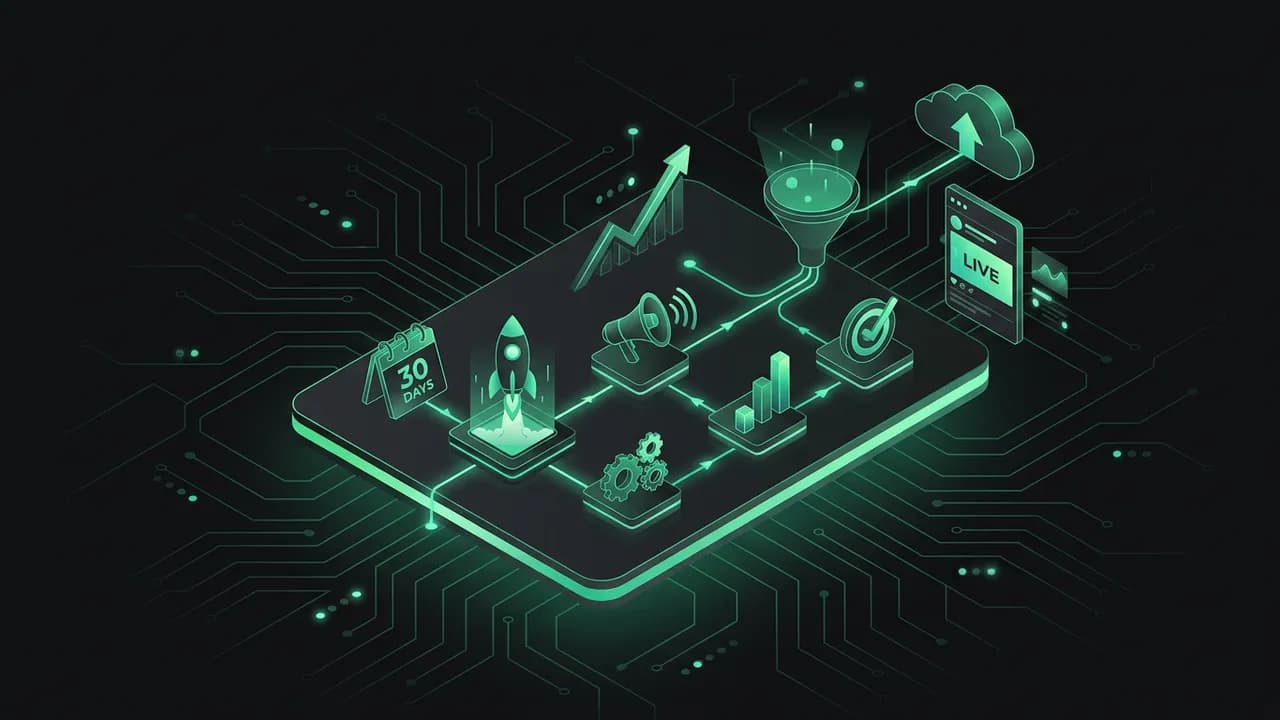
30-Day Execution Timeline
Track completion in the HQ board; no task should lack an owner or deadline.
What Success Should Look Like
A good launch does not end with a leaderboard screenshot. It should leave you with an activated user cohort, reusable creative assets, testimonials, newsletter subscribers, community goodwill, and a post-launch content library that keeps ranking and converting long after day zero.
The Long-Tail SEO Benefit
Great launches also generate search demand. If you publish recaps, technical breakdowns, customer stories, and post-launch lessons, launch week turns into an SEO asset that keeps compounding after the initial traffic spike disappears.
Key Takeaways
Treat launch as a 30-day campaign, not a single day — build your supporter list weeks in advance.
Go live at 12:01 am Pacific so you get a full voting day, and reply to every single comment.
Never ask directly for 'upvotes' — invite people to check it out; explicit vote-begging gets penalized.
Launch across channels: Product Hunt, Hacker News 'Show HN,' communities, and email, not just one.
Follow up with new signups within 48 hours while attention and intent are at their peak.
Frequently Asked Questions
What is a Product Hunt launch?
How do you launch on Product Hunt successfully?
What is a launch day timeline?
What are real launch examples?
What are common launch day mistakes?
Your Turn: The Action Step
Launch Day Runbook & Target Calculator
Reverse-engineer your launch-day target into a list of supporters to line up, build the hour-by-hour Day-0 runbook, and plan the pre-heat and post-launch momentum so the day isn't a one-off spike.
Set the goal and reverse the math
Pick the rank you want, estimate the votes/upvotes it takes, then the supporters needed.
Build the supporter list
Real people you'll personally ask to show up at launch. Pledged, not hoped-for.
| Name/handle | Channel to reach them | Pledged? (Y/N) |
|---|---|---|
Plan the pre-heat (Days -21 to -3)
How you warm the crowd: build-in-public, teaser, waitlist, 'launching soon' page.
Write the Day-0 runbook
Hour-by-hour: when you go live, who you ping, when you post where.
| Time | Action | Owner |
|---|---|---|
Ready the launch assets
Everything that must exist before 12:01am — copy, visuals, comments, tweets.
Plan the momentum flywheel (Days +1 to +30)
Convert the spike: recap content, second-platform launch, email to new signups.
Before you close this
0/5 doneYour answers are saved in this browser only. Use “Download as PDF” to keep a copy.
Why Your Ads Target the Wrong People
Ready to apply this?
Stop guessing. Use the Litmus platform to validate your specific segment with real data.
Launch Your Product