The 'Mafia' Effect: Moving Beyond the Company
Learn how to build a powerful alumni network that becomes a lifelong competitive advantage, turning ex-employees into your greatest strategic assets.

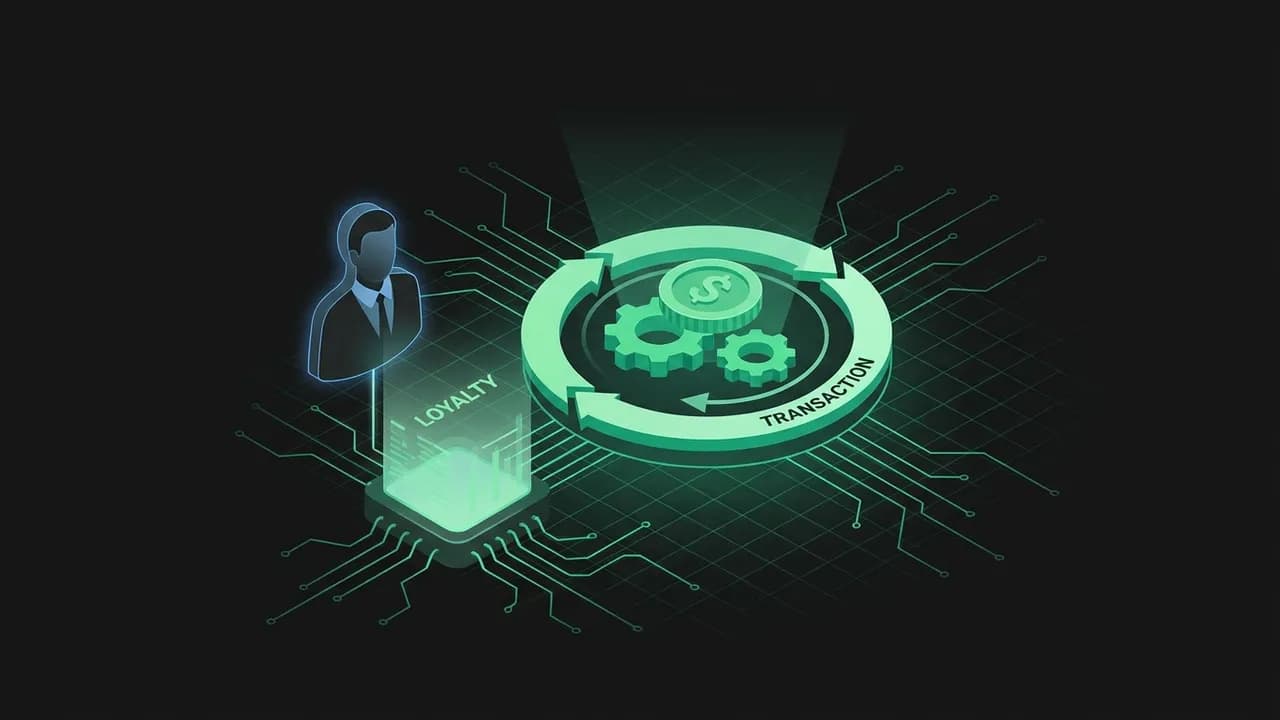
The Problem: The 'Transaction' Loyalty Trap
The Culture of Ambition
“My employees are talented, but they're just here for the paycheck. As soon as a better offer comes along, they're gone. We're building a business, but we're not building a 'Network.'”
Most startups suffer from 'Retention Obsession.' They try to cage their talent, but A-players cannot be caged. The greatest companies—PayPal, Stripe, Google—don't just produce products; they produce Founders.
A 'Mafia' effect is created when you hire people who are 'too good' for their roles and encourage them to dream bigger than your company. When they leave, they don't just disappear; they become a lifelong alumni network that opens doors, refers talent, and co-invests with you.
To scale, you must move from 'Retention at All Costs' to 'Alumni Advocacy'—where your legacy is measured by the success of the people who leave you.
Why Retention Can Be A Narrow Goal
Retention is not bad by itself, but it becomes limiting when it is treated as the highest good. Companies that obsess over keeping every strong employee forever often create a defensive culture. They optimize for comfort and control instead of ambition and long-term relationship equity.
Great People Often Outgrow Roles
High-agency employees often want to build, lead, invest, or launch something of their own over time. Fighting that reality usually backfires. The better strategy is to create an environment where ambitious people do their best work with you, then remain part of your orbit after they leave.
Alumni Networks Compound Quietly
A strong alumni network is one of the least obvious but most durable strategic assets a company can build. Former employees can become customers, investors, acquirers, partners, hiring sources, and distribution channels. The value compounds because trust already exists.
Companies That Produce Founders Become Talent Magnets
Ambitious people often want to join organizations known for producing future leaders. When a company develops a reputation as a place where excellent people grow, leave well, and go on to do meaningful things, it attracts a different caliber of talent on the front end too.
The Mafia Effect Is Built Before People Leave
You cannot create alumni loyalty during the exit interview if the internal culture was transactional for years. The mafia effect begins while people are still inside the company: through trust, standards, mutual respect, ownership, and whether the company genuinely helps people grow.
What A Strong Alumni System Can Create
A healthy alumni network can generate:
The Reality: An ex-employee who starts a successful company is worth 100x more to you as a partner, investor, or recruiter than they were as a mid-level manager. The real question is whether your company is building a network that keeps that relationship alive after employment ends.
Key Concepts: The Pillars of a Mafia
Building a mafia effect requires a shift in how you view the employer-employee relationship.
1. The 'Founding' Philosophy
Hiring people with an 'Owner' mindset (Topic 96). You should actively look for people who want to start their own company in 3-5 years. They will work harder and think more strategically than any 'career' employee.
2. Shared Trauma & Triumph
The intense bonding that happens when a small team solves a 'Mission-Impossible' level problem under extreme pressure. This is the 'glue' that ensures alumni still take each other's calls 20 years later.
3. The Alumni Directory
A formal or informal network (Slack, WhatsApp, or a custom portal) where ex-employees share deals, high-level talent, and raw industry intelligence.
4. Reciprocity Culture
The unwritten rules of the network: Alumni help alumni first. Whether it's a seed check, a technical audit, or a warm intro to a Tier-1 VC, the mafia always looks inward first.
5. Second-Order Recruiting
Using your alumni as a 'shadow' recruiting engine. Your ex-employees are the best at identifying who else in the market has the 'DNA' to succeed at your company.
Why Mindset Shapes The Whole System
The mafia effect is not built by tools alone. It starts with a belief that talent mobility can be an asset instead of a threat. Founders who internalize that idea design culture, hiring, exits, and communication differently.
Shared Experience Creates Durable Trust
What binds alumni is rarely the perks. It is the memory of solving hard problems together, surviving chaotic periods, shipping under pressure, and seeing who showed up when things got difficult. Shared intensity creates relational depth that later becomes network density.
Directories Need Social Energy
A directory without active relationship norms is just a database. The real value comes when alumni use the network regularly for hiring, advice, introductions, and collaboration. That requires ongoing cultural reinforcement, not just a mailing list.
Reciprocity Must Feel Real
If the company only reaches out to alumni when it wants something, the network will decay. Reciprocity works when the company is also useful to alumni: intros, product access, hiring support, investment interest, advice, or community signal.
Recruiting Extends Beyond The Org Chart
Second-order recruiting is powerful because alumni know the standards, pace, and values of the company better than almost anyone else. Their referrals often outperform cold applicants because they understand what kind of person will actually thrive.
A Mafia Is Not A Cult
Healthy alumni networks are voluntary, generous, and opportunity-creating. The goal is not loyalty theater or emotional manipulation. The goal is a network of people who genuinely want to keep building with each other long after formal employment ends.
The Framework: The 'Mafia' Maturity Model
Use this 4-stage model to track the strength of your company's long-term network density.
Why The Model Matters
This maturity model helps founders evaluate whether alumni relationships are merely polite or strategically alive. A company can have many former employees and still have a weak alumni asset. Density of trust and exchange matters more than raw count.
Stage 1 Signals A Cultural Problem
If people leave and disappear completely, the issue is usually deeper than weak networking. It often means the experience inside the company was too transactional, too political, too draining, or too forgettable to sustain long-term goodwill.
Stage 2 Is Common But Limited
Many firms have casual alumni goodwill. People connect on LinkedIn, maybe reply to a message, maybe grab coffee. That is fine, but it is not yet a strategic system. The network exists socially, not operationally.
Stage 3 Creates Real Business Value
The fellowship stage is where the network begins to return compounding value. Referrals, intros, hiring leads, product advocacy, and informal market intelligence start flowing back consistently. At this stage, alumni are already part of the company’s extended operating surface.
Stage 4 Creates Flywheel Effects
At full maturity, the company becomes known as a source of future founders, operators, and leaders. The network recruits itself, supports itself, and expands itself. New employees join partly because they want access to that long-term graph, not just the current role.
Use The Model As A Diagnostic Tool
Founders can ask:
Execution: Hardwiring the Movement

Step 1: Pre-Hiring Radical Honesty
During the interview process, don't just ask where they want to be in 5 years. Tell them: “We want this to be the last job you ever have before you start your own company. If you leave to build something great, I'll be your first call for advice.”
Step 2: The 'Alumni' Exit Ritual
Turn the 'Goodbye' into a 'See You Later.' Replace the generic HR form with a 'Founder's Dinner' for high-impact departing employees. Ask one question: “How can this company support your next venture?”
Step 3: The Formal Alumni Hub
Create a 'Litmus Alumni' Slack channel. Post your company's major wins and internal 'Asks' there. Provide alumni with lifetime perks (e.g., free access to your software) to keep your product top-of-mind as they build their new empires.
Step 4: The Internal Incubation Play
If a star employee has a brilliant idea that doesn't fit your core mission, don't kill it. Offer to 'Spin it out' with a small investment from the company or license them the IP in exchange for a small equity stake. You keep the talent 'in the family' while participating in the upside of their new venture.
Why Honesty At Hiring Time Matters
The mafia effect begins with expectation setting. If a company quietly hopes people will stay forever while marketing itself as a growth platform, disillusionment follows. Radical honesty attracts ambitious people who value development, challenge, and long-term relationships over mere role stability.
Exits Should Preserve Dignity And Momentum
Most companies treat exits as administrative closure. Great companies treat them as transition moments. The departing employee should leave with clarity, respect, and a feeling that the relationship remains open. That emotional residue matters enormously for whether alumni later advocate for the company.
Hubs Need Ongoing Programming
An alumni Slack or community group only works if it has energy. Founders should seed it with useful asks, introductions, updates, job openings, wins, founder notes, and opportunities for alumni to help one another. Community requires active stewardship.
Internal Incubation Builds Signal
When the company helps people launch adjacent ideas, it sends a powerful message: we are not afraid of ambition. That signal strengthens employer brand, alumni loyalty, and the company’s position in future entrepreneurial networks.
A Practical Operating System
To hardwire the movement, companies can build:
Support Should Be Real, Not Symbolic
If the company says it values alumni, it should behave that way. That may mean making introductions, sharing jobs, offering product credits, investing small checks, or giving strategic feedback. The network becomes durable when support is visible in action.
Case Study: The Sovereign Network
The Success: The 'Stripe' Mafia
Stripe alumni have gone on to start dozens of companies (e.g., Pilot, Standard Metrics). The founders are known for being the first 'Angel' investors in their employees' new startups.
The Result: Stripe has the highest talent-density in Silicon Valley. People join Stripe specifically because they know the 'Alumni Badge' is the most powerful credential in the tech world. The 'Mafia' effect has made Stripe's hiring and distribution moat virtually unassailable.
Why This Worked
The company did not only hire strong people. It created an environment where strong people grew, developed trust, left well, and remained connected. That combination is what turns ordinary alumni into strategic infrastructure.
The Pitfalls: Network Disasters
The 'Non-Compete' War: Suing an ex-employee for starting a non-threatening company. You destroy your reputation and turn your alumni into enemies.
The 'Closed' Culture: Excluding alumni from company events or updates. If they feel 'forgotten,' they will stop referring value back to you.
The 'One-Way' Street: Asking alumni for favors but never offering your own network or resources in return. A mafia only works if it's mutually beneficial.
Weak Internal Culture: Trying to build an alumni brand on top of an unhealthy employee experience. Fix: the network must be built on genuine trust earned during employment.
No Stewardship: Assuming the network will maintain itself forever. Fix: assign real ownership for alumni community health.
What Healthy Alumni Strategy Looks Like
Healthy alumni strategy feels generous, confident, and long-term. The company is proud of what former employees build next. Alumni remain connected because the relationship is useful and authentic, not because they are being guilted into loyalty.
Questions Founders Should Ask
The Final Principle
A mafia effect is what happens when a company stops viewing talent as a temporary resource and starts viewing relationships as a long-term strategic asset. The real win is not that people stay forever. The real win is that they keep building with you even after they leave.
Key Takeaways
Treat employee departures as graduations: a network of alumni-led startups becomes future talent, customers, and deal flow.
Build deliberate channels — alumni groups, events, even an angel syndicate — to keep the community connected.
A true 'mafia' is defined by dense, high-trust mutual support among founders, not a passive alumni list.
Being known for producing successful founders strengthens your employer brand and attracts more ambitious talent.
You can't fake it — the effect rests on genuine talent density and treating people well, not marketing.
Frequently Asked Questions
What is the startup mafia effect?
How do you build a startup alumni network?
Why would encouraging employees to leave be a growth strategy?
What are examples of startup mafias?
How is a mafia effect different from a normal alumni network?
What are common mistakes in building an alumni engine?
Your Turn: The Action Step
Talent Mafia Flywheel Plan
Design the systems that turn alumni and ex-employees into a lifelong network that sends you talent, deals, and referrals long after they leave.
State the network's purpose
What do you want your alumni network to be known for in 5 years?
Build the alumni infrastructure
Pick the concrete assets: directory, Slack, events, fund. List what you'll actually run.
| Asset | Who owns it | Cadence |
|---|---|---|
Design the give-back loops
Why would an alum help you and each other — referrals, deals, intros, investment?
| Loop | What they give | What they get |
|---|---|---|
Engineer the talent boomerang
How do you make leaving-and-returning normal and referrals rewarding?
Create the status signal
How does 'ex-[your company]' become a credential people are proud of?
Set the proof metric
The one signal that shows the mafia is real (alumni startups funded, cross-hires, deals sourced).
Before you close this
0/5 doneYour answers are saved in this browser only. Use “Download as PDF” to keep a copy.
Stop Depending on One Supplier
Ready to apply this?
Stop guessing. Use the Litmus platform to validate your specific segment with real data.
Build Your Legacy