Minimum Viable Product (MVP) vs Minimum Lovable Product (MLP)
The traditional MVP is dead. In 2026, launching a broken, ugly product destroys trust instantly. Learn why you must build a Minimum Lovable Product instead.
The Problem: The Absolute Death of the Traditional MVP
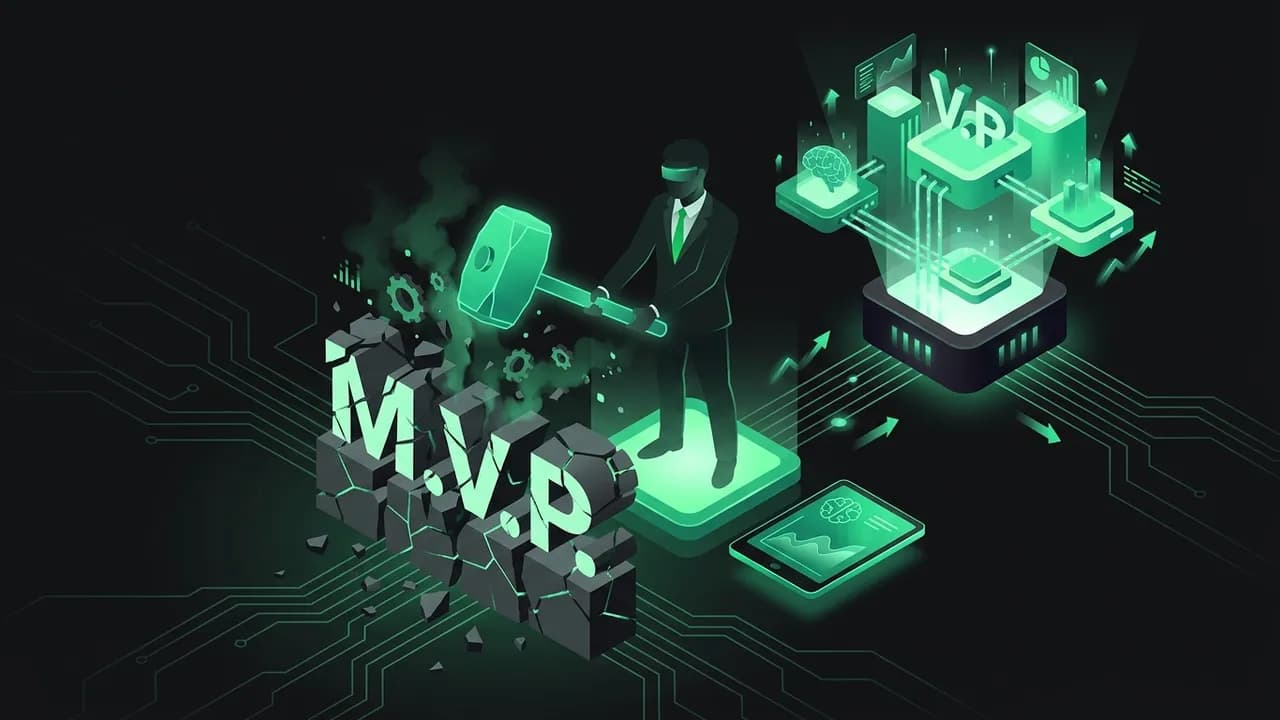
"If you are not incredibly embarrassed by the very first version of your product, you simply launched way too late."
This incredibly famous, highly over-quoted piece of classic startup advice by Reid Hoffman completely defined the entire software boom of the early 2010s. It birthed the massive cult of the Minimum Viable Product (MVP). The core idea was to launch something totally ugly, completely buggy, and barely functional as incredibly fast as possible just to "test the market."
In 2012, this strategy worked perfectly. The App Store was completely new, users were incredibly highly forgiving of terrible software, and there was massive novelty in simply using a new digital tool.
In 2026, launching a completely "embarrassing" MVP is a total, absolute death sentence for your brand.
The entire modern digital ecosystem has completely, fundamentally changed. Today, consumers and highly stressed B2B buyers suffer from intense, massive software fatigue. They already use perfectly designed, incredibly heavily polished apps from Apple, Google, and massive unicorns every single day. Their absolute baseline expectation for baseline UI/UX quality is incredibly, astronomically high.
If you aggressively launch a truly "embarrassing," totally buggy MVP today, modern users absolutely will not patiently give you high-quality feedback. They will immediately assume your entirely incompetent team is completely incapable of securing their highly sensitive data. They will instantly, violently churn within exactly 15 seconds, loudly leave a terrible 1-star review, completely destroy your early domain reputation, and absolutely never, ever return to your website again. The traditional, ugly MVP is completely dead.
Key Concepts: The Rise of the Minimum Lovable Product (MLP)
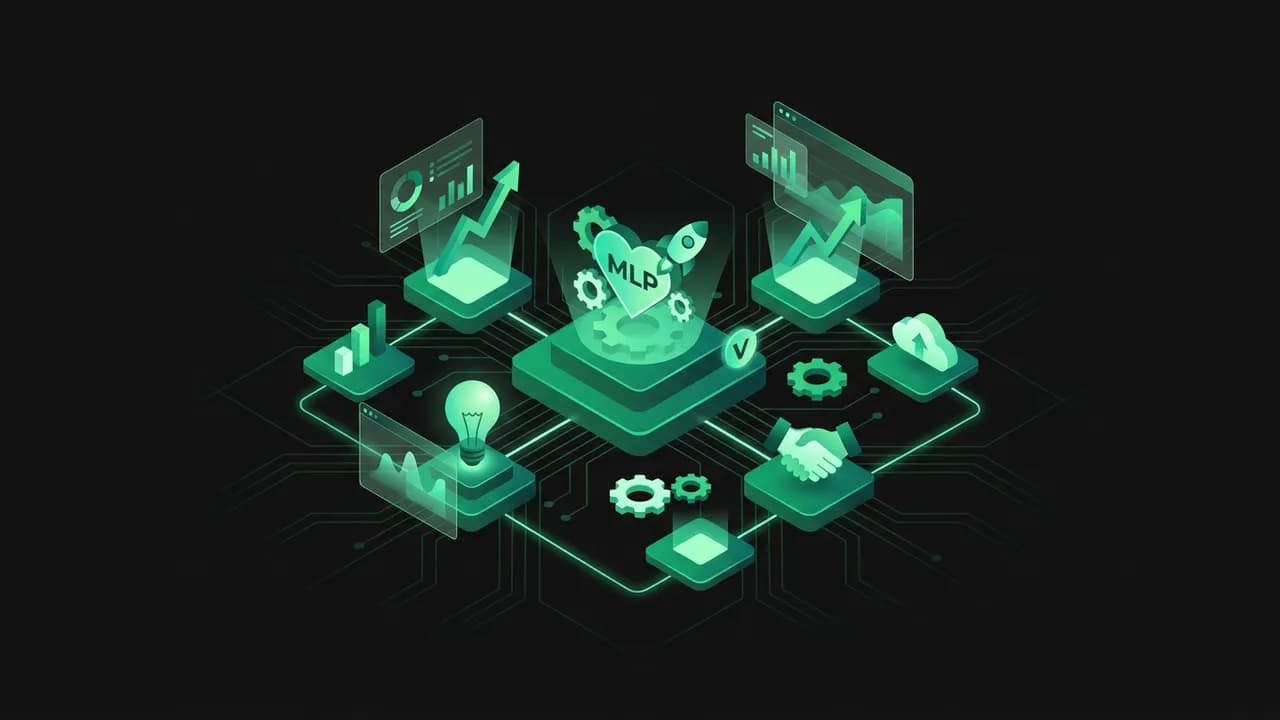
To successfully survive and actively thrive in the incredibly saturated, highly competitive landscape of 2026, you absolutely must fundamentally elevate your entire development strategy from the outdated MVP entirely to the highly demanded Minimum Lovable Product (MLP).
What is a Minimum Viable Product (MVP)?
An MVP is strictly focused entirely on absolute bare-bones, raw technical functionality. It successfully proves that the underlying code algorithm technically works, but the UI is absolutely terrible, the onboarding process is highly completely broken, and it actively induces intense stress and deep frustration in the user. It is highly viable for the engineer, but absolutely miserable for the human customer.
What is a Minimum Lovable Product (MLP)?
An MLP strongly acknowledges that you still absolutely cannot possibly afford to expensively build every single highly complex feature on Day 1. However, instead of delivering exactly 10 highly mediocre, completely buggy features, an MLP fiercely focuses on delivering exactly 1 incredibly perfect, highly delightful, absolutely flawless core feature.
The MLP actively prioritizes absolute, extreme polish, totally beautiful design, incredibly frictionless onboarding, and generating a massive, highly emotional "Wow" moment entirely over raw, bloated feature count.
The Psychology of Lovability:
When a completely stressed user encounters an MLP, they absolutely immediately forgive the total lack of complex secondary features (like a missing dark mode or a missing complex export button) entirely because the single, absolutely core primary feature works so incredibly beautifully and seamlessly that it actively brings them immense, undeniable joy. They don't just tolerate the software; they actively, intensely love the exact specific feeling of relief it instantly provides them.
The Strategy: The 'Slice of Cake' MLP Framework
How exactly do you successfully build an incredibly polished MLP entirely without accidentally over-engineering the product and blowing your entire limited 6-month startup budget? You must strictly use the highly effective Slice of Cake Framework.
The Flawed 'Layer Cake' MVP Approach:
When amateur founders completely misunderstand the MVP, they build the product totally horizontally. They build a terrible, completely dry cake base (the backend). Then they add a terrible, thin layer of cheap frosting (a highly ugly UI). The user takes a massive bite, it tastes absolutely terrible, and they loudly demand a refund. The founder foolishly says, "Wait, the frosting will be much better in V2!" The user is already gone forever.
The Brilliant 'Slice of Cake' MLP Approach:
The MLP completely forces you to build entirely vertically, absolutely not horizontally. You completely, entirely ignore the massive 90% of the cake. Instead, you highly meticulously craft exactly one incredibly thin, totally beautiful, absolutely perfect vertical slice of the cake.
It possesses the absolutely perfect, highly moist base, the incredibly rich filling, and the most beautifully crafted, highly delicious frosting.
When the highly skeptical user takes a bite of that one single, perfect slice, they immediately, actively want to pre-order the entire massive cake.
Execution Part 1: Engineering the 'Delight Factor'
To effectively successfully transition your current messy MVP entirely into a highly converting MLP, you absolutely must actively engineer specific moments of deep emotional delight directly into the core user flow.
Step 1: The Frictionless 'Zero-to-Wow' Onboarding
The incredibly massive, entirely fatal flaw of most standard MVPs is a terrible, highly clunky onboarding process. In an MLP, the onboarding must absolutely be the most heavily polished, highly engineered part of the entire codebase.
Step 2: The 'Micro-Interactions' Polish
Lovability is rarely about massive, huge core features; it is almost entirely deeply rooted in incredibly tiny, highly thoughtful details.
Execution Part 2: Ruthless Feature Deletion
Step 3: The 'Kill Your Darlings' Feature Deletion
To afford the immense, required time to perfectly polish your single core feature, you absolutely must aggressively kill your other incredibly distracting "nice-to-have" features before launch.
Step 4: The High-Touch Concierge Fallback
Because you bravely deleted all those highly complex secondary features to save time, the actual MLP software might technically lack some advanced functionality. You absolutely solve this entirely with unscalable human labor.
Conclusion: First Impressions are Permanent
In the incredibly harsh, highly unforgiving reality of 2026, you absolutely do not ever get a highly convenient second chance to make a first impression on a highly busy, totally stressed customer.
If you aggressively force them to use a completely terrible, highly broken, utterly ugly MVP, you completely entirely burn their trust permanently. They will absolutely actively warn their industry peers to completely avoid your incredibly "buggy" startup.
By boldly choosing to strategically launch a highly focused Minimum Lovable Product instead, you actively ensure that exactly every single person who touches your new software feels completely respected, highly delighted, and totally instantly relieved of their massive pain. You actively turn absolutely terrifying early bugs into beautiful, highly celebrated features, and you successfully build a fanatical, highly profitable user base completely from absolute Day 1.
Key Takeaways
An MVP exists to learn, not to launch — build the smallest thing that tests your riskiest assumption.
In crowded markets, aim for a minimum lovable product (MLP): just enough delight to drive retention and referrals.
Validate cheaply with no-code tools (Glide, Bubble, Softr, Shopify) or a manual concierge before writing custom code.
Both words matter: small enough to ship fast, viable enough to deliver real value — then act on the data.
Frequently Asked Questions
What is a minimum viable product (MVP)?
What is the difference between an MVP and an MLP?
How do you build an MVP?
What is a minimum viable product example?
What are common MVP mistakes?
How do you build an MVP on a small budget?
Your Turn: The Action Step
MLP 'Slice of Cake' Scope Planner
Scope a Minimum Lovable Product — a thin but complete slice that delights — instead of a half-baked MVP that disappoints.
State the core job
The single job the first version must do flawlessly.
Sort features Must / Should / Cut
Be ruthless. 'Must' is only what's needed to do the core job lovably.
| Feature | Must / Should / Cut |
|---|---|
Pick the one delight moment
Choose the single surprising touch that makes users smile and tell a friend.
Set the quality bar
Define what 'polished' means for the thin slice — it must feel complete, not beta.
Name the first-impression risk
What single failure would make a first-time user uninstall? Protect against it.
Before you close this
0/4 doneYour answers are saved in this browser only. Use “Download as PDF” to keep a copy.
The Second Mover Wins the Market
Ready to apply this?
Stop guessing. Use the Litmus platform to validate your specific segment with real data.
Design Your MLP Core in Litmus